Delhi HC Cancels ‘ZORA’ Trademark, Backs ZARA in Trademark Dispute
Delhi High Court has cancelled the ‘ZORA’ trademark, ruling it is deceptively similar to Inditex-owned ZARA.
 SociapaHQ
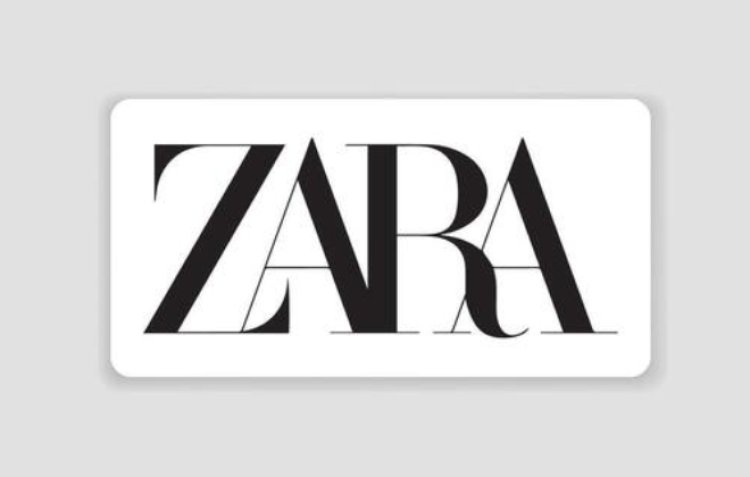
The Delhi High Court has cancelled the registration of the trademark “ZORA”, ruling that it is deceptively similar to the globally recognised ZARA brand owned by Spanish fashion retailer Inditex, reports Bar and Bench.
Justice Jyoti Singh has set aside the earlier order of the Registrar of Trade Marks allowing registration of ZORA in respect of textile goods in Class 24. The Court directed the Trade Marks Registry to remove the mark from its records within two months, stating that the continued registration of the mark would tarnish the purity of the trademark register.
Also Read: Livpure Launches 360° Campaign for Allura Premia Ultra Water Purifier
Trademark Similarity:
The dispute started when Inditex challenged the registration of a Delhi-based trader in polyester fabrics and textile products. The company argued that the Registrar had erred in comparing only portions of the two marks, rather than considering the overall impression. It also submitted that ZARA, which has been registered in India since 1993, has a huge reputation and recognition and therefore deserves to be given stronger legal protection.
The High Court agreeing with the contention held that ZARA and ZORA are both four letter words starting with Z and ending with RA and having the same consonant structure. The Court found that the average consumer with imperfect recollection would not notice a single vowel difference and that the marks were visually and phonetically similar.
Also Read: Burger King India Launches Peri-Peri Fest With New Menu and Musical Campaign
ZORA was adopted in good faith and was derived from the English word meaning "dawn", the trader said. It also argued that its business was in a different product category and sales channel than ZARA.
The Court held, however, that, irrespective of the nature of the goods involved, the similarity of the two marks was such as to create an association in the minds of consumers.