Delivery Costs In Asia Pacific Rise 19% Amid Middle East Conflict: FarEye Report
FarEye’s latest report says delivery costs across Asia Pacific, including India, have risen 19 percent amid fuel disruptions and operational challenges.
 SociapaHQ
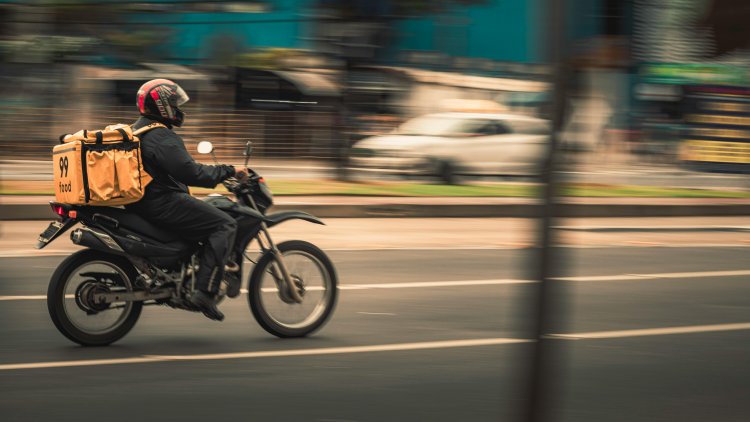
FarEye has seen a steep increase in delivery costs across the Asia Pacific market including India with costs rising by almost 19 percent between March and May this year.
Much of the increase was attributed to the ongoing conflict in the Middle East, which has disrupted fuel supplies and increased fuel-related operational costs across logistics networks, the company’s latest report said.
The report said India also faces other structural cost pressures, including rising fuel prices, rising driver wages and worsening urban congestion, the Economic Times reported.
Also Read: Amazon India To Bring Japanese, Australian Beauty Brands To Indian Consumers
Delivery Cost Pressures:
Logistics operators can generally tell where they are incurring costs, such as fuel, labour and vehicle expenses, but many still have a hard time identifying the operational points where those costs are actually being created, FarEye said.
In India’s dense urban markets, first-attempt delivery failures can reach 20 to 30 percent, the report says, creating substantial profitability challenges for delivery companies.
The results show that failed first-attempt deliveries remain one of the largest operational drains despite increasing investments in quick commerce and faster delivery infrastructure.
The survey also showed consumers are increasingly prioritizing delivery predictability over speed.
Also Read: X Introduces Posting And Reply Limits For Non-Premium Users
The report found that 41 percent of customers prefer predictable delivery windows, compared to just 22 percent who prefer faster delivery speeds.
“Most of the logistics companies are confident that customers are willing to pay premium charges for specific delivery needs,” FarEye said.
The survey showed that nearly 60 percent of customers would be willing to pay more for express deliveries of medicines, groceries, bulky goods, high-value shipments, business-critical orders and time-slot deliveries.
The report was based on responses from more than 500 logistics firms globally, with Indian companies accounting for 14 percent of the respondents.