FIFA Rejects $20 Million JioStar Bid for 2026 World Cup Broadcast Rights in India
FIFA rejects JioStar’s $20 million bid for 2026 World Cup rights in India, leaving broadcast plans uncertain weeks before kickoff.
 SociapaHQ
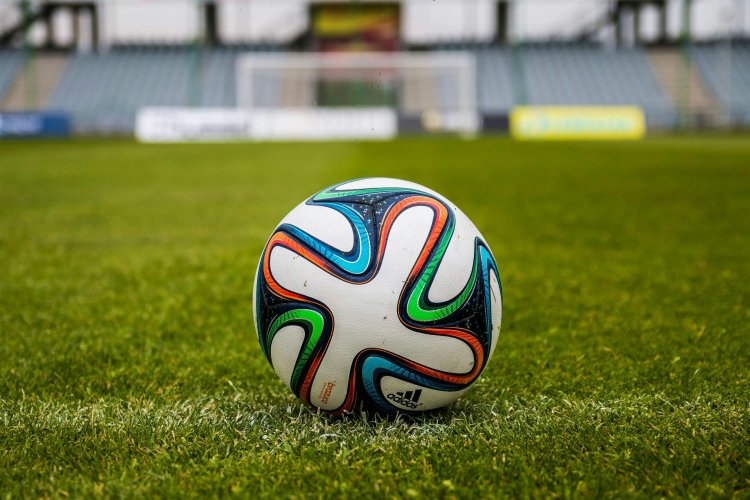
FIFA has turned down a $20 million bid from JioStar for the 2026 World Cup broadcast rights in India, triggering a late-stage deadlock just weeks before kickoff on June 11. The rejection has raised the unusual possibility that one of the world’s largest media markets could enter the tournament without a confirmed broadcaster.
According to a Reuters report, FIFA had initially aimed to secure around $100 million for bundled 2026 and 2030 rights in India. Expectations were later adjusted closer to previous deal values, but JioStar’s offer still fell short. The gap now leaves negotiations in limbo at a critical moment in the global sports calendar.
Also Read: JioHotstar Hits 500 Million MAUs, Becomes FY26 Growth Engine for JioStar
Late Deals Weak Demand Concerns:
The situation is particularly striking given how broadcast deals have historically played out. In prior tournaments, including 2018 and 2022, rights agreements in major markets were locked well in advance. Broadcasters typically used that lead time to build advertiser pipelines and launch promotional campaigns. This time, both India and China remain unresolved, with FIFA confirming that discussions are ongoing and confidential.
Sony Group Corporation had also explored bidding for the rights but ultimately opted out, citing weak commercial viability. That decision reflects broader industry concerns around monetisation. With the 2026 tournament hosted across North America, match timings will skew late night for Indian audiences, potentially impacting viewership and advertiser interest.
For broadcasters, the economics are tight. Football, while growing, still trails cricket significantly in India’s advertising ecosystem. A softer ad market, linked to global geopolitical uncertainties, has added further caution. JioStar’s conservative bid appears to reflect these realities rather than a lack of interest in the property itself.
High Stakes Delayed Clarity:
The stakes, however, are high. India and China together accounted for over 22.6% of global digital streaming reach during the 2022 World Cup, with China alone contributing nearly half of total digital and social media viewership. For FIFA, securing strong distribution in these markets is not just about rights revenue but also long-term audience growth and sponsorship value.
For brands, the delay complicates planning cycles. Without clarity on broadcast partners, advertisers risk missing out on early inventory deals and integrated campaigns. For consumers, the concern is more immediate. Limited or delayed access to matches could dampen engagement during the tournament.
The contrast with 2022 is stark. When the last World Cup aired in India, rights were secured more than a year in advance for roughly $60 million, giving broadcasters ample runway to build momentum.
With the clock ticking, the current standoff underscores a shifting sports media landscape where even premium global properties must align with local market realities.