WPP Names Hephzibah Pathak as India CEO for New Creative Setup
WPP appoints Hephzibah Pathak as CEO of WPP Creative India under its new Elevate28 strategy, aiming to simplify structure and improve integrated delivery.
 SociapaHQ
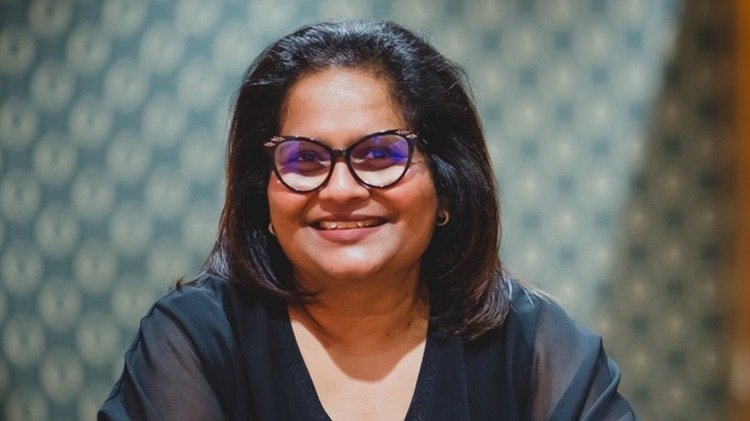
WPP has appointed Hephzibah Pathak as the Chief Executive Officer of WPP Creative in India, marking a key leadership move as the network rolls out its new global operating model under the Elevate28 strategy. The appointment gives a local leadership face to a structure designed to simplify how WPP delivers creative services across markets.
Pathak, currently the Executive Chairperson of Ogilvy India, has been part of the WPP network since 1997. In January 2024, she became the first woman to lead Ogilvy India in its 95-year history. Over the years, she has held multiple leadership roles, including Mumbai office head and Chief Client Officer, working across major brands and integrated mandates. Her elevation now places her at the centre of WPP’s efforts to bring more cohesion to its creative offerings in India.
The creation of WPP Creative is part of a broader restructuring that also includes WPP Media, WPP Production, and WPP Enterprise Solutions. These units are intended to reduce internal silos and simplify how clients access WPP’s capabilities. Importantly, WPP Creative is not being positioned as a standalone agency. As Jon Cook, Global Lead for WPP Creative and Global CEO of VML, clarified, it functions as an operating system—one that enables collaboration across creative, design, and PR disciplines without diluting the individual identities of agencies.
This shift comes after WPP acknowledged earlier this year that its structure lacked sufficient integration. For clients, especially in a market like India where campaigns often demand multi-channel execution, fragmented delivery can slow down both speed and consistency. By introducing a unified leadership layer, WPP is attempting to streamline decision-making and improve how different teams work together on large mandates.
For brands and marketers, this move signals a continued push toward integrated solutions rather than isolated services. As marketing becomes more complex—spanning content, commerce, media, and technology—holding companies are under pressure to deliver connected thinking without increasing operational friction. A structure like WPP Creative aims to address that gap by bringing alignment at the top while allowing specialist agencies to continue doing what they do best.
From a cultural standpoint, Pathak’s appointment also reflects a broader shift in leadership representation within the industry. Her rise within the network, from client leadership roles to now heading a key market function, mirrors how agencies are increasingly valuing long-term institutional knowledge alongside strategic leadership.
The real test for this model will be execution. While structural simplification is a stated goal, its success will depend on how effectively teams collaborate across functions and how seamlessly clients experience that integration. For India, where WPP has a deep and diverse agency network, the role becomes even more critical.
With this appointment, WPP is not just filling a leadership position—it is setting up a framework to redefine how creative services are delivered in a market that continues to grow in both scale and complexity.