LinkedIn User Reimagines Popular Brands Through Everyday Indian ‘Jugaad’
A LinkedIn post by Vrinda Vardhan reimagining everyday Indian household hacks through popular brands is resonating with users online.
 SociapaHQ
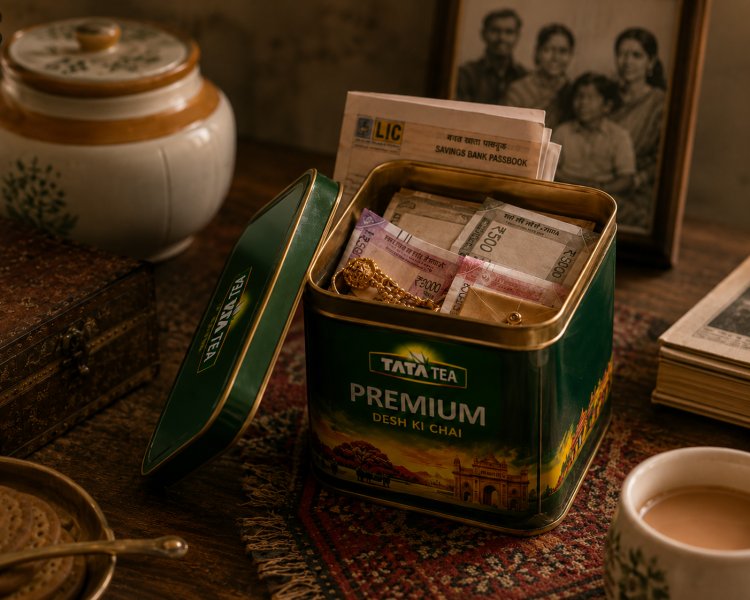
A LinkedIn post praising India’s culture of everyday “jugaad” is doing the rounds online after its creator Vrinda Vardhan reinterpreted well-known consumer brands through the prism of how their products are often times used in Indian homes.
Vardhan shared a series of self-created ads on LinkedIn, calling the exercise an exploration of the practical and often inventive ways Indian households continue using everyday products, long after their original purpose has ended.
In the post, Vardhan wrote, “Jugaad is an art form we never learnt. "Made some ads about what these products actually turn into in Indian homes.
Check out the posts here:


Also Read: Puma, Zomato, Myntra Among Brands Reacting To RCB’s IPL Title Win
Everyday Jugaad:
The visuals re-imagine familiar household products in alternate uses that many Indians immediately identify.
In one of the creative pieces, an Amul ice cream tub is shown, but instead of ice cream it is filled with frozen green peas, a common freezer staple in many homes. Another shows old newspapers used as shelf liners. A Blinkit delivery bag is shown as a long-term storage solution in the house.
Other creatives include a Tata Tea tin used as a storeroom for valuables, a Honda Activa scooter carrying oversized household loads, and an Asian Paints bucket functioning as a household stool.
Along with the images, Vardhan, wrote that some of the examples felt “deeply personal,” especially the Amul tub. In the freezer, there is always a full tub of Amul. Alwayspeas. No ice cream ever. “Always all right, somehow,” she said.
Also Read: Coca-Cola Rolls Out Soccer Ball-Shaped Bottles Ahead of FIFA World Cup 2026
Nostalgia Resonates:
The post struck a chord with users for its nostalgic portrayal of common household habits that many Indians have been brought up with. Rather than highlighting product features, the creatives focus on the improbable second lives common household items often take on over time.
The campaign-style idea is part of a bigger cultural trend in India, where ingenuity and reuse are often considered pragmatic solutions, not anomalies. This post illustrates how brands frequently do not publicise how ordinary products often become part of household routines, with common items and everyday scenarios.
Vardhan ended with the thought that these practices were never consciously named. We never gave it a name. That's just the way things were. And somehow it always did.