OpenAI Appoints Arvind KC as Chief People Officer
OpenAI appoints Arvind KC as Chief People Officer, reinforcing its focus on scaling talent, culture and workforce systems as AI reshapes the future of work.
 SociapaHQ
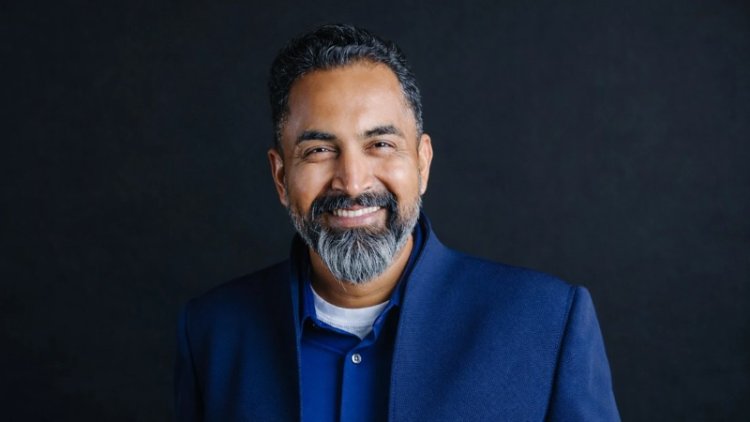
OpenAI has named Arvind KC as its new Chief People Officer, a move that underscores the growing strategic weight of talent and organisational design in an AI-driven company.
KC joins OpenAI with experience spanning both engineering and people leadership roles. He has previously held senior positions at Roblox, Google, Palantir Technologies and Meta, working across product development and organisational systems that support high-performing technical teams. His career has combined building products at scale with shaping the structures that enable those products to be built efficiently.
In his new role, KC will oversee hiring, onboarding and employee development, alongside the policies and systems designed to reduce friction and support sustainable performance. The mandate reflects a broader shift within technology companies, where scaling headcount is no longer just about recruitment but about designing operating models that align with rapid product cycles and evolving AI capabilities.
Announcing the appointment, Fidji Simo, CEO of Applications at OpenAI, said, “We believe the way we scale OpenAI should reflect the future we’re helping to create. KC will play a key role in ensuring our people processes, policies, and systems match our ambition, while preserving the culture and operating principles that have helped us get here.”
The emphasis on culture and systems comes at a time when AI companies are expanding quickly, while simultaneously navigating questions about responsible deployment, workforce transformation and skill evolution. OpenAI noted that the Chief People Officer role will be central to managing this transition as AI tools increasingly reshape workflows across industries.
The company framed the appointment as part of a broader responsibility. As AI becomes embedded in everyday work, organisations are being pushed to rethink role definitions, skill requirements and reskilling pathways. OpenAI said it views itself as having both an opportunity and an obligation to model how AI-enabled organisations can invest in human growth while integrating advanced tools into operations.
KC echoed this theme in his remarks, stating, “This is a moment where every organization is being asked to rethink how work happens, what teams need, how people grow, and how to adapt as the tools change. I'm excited to join OpenAI as we work through those questions ourselves, and alongside our ecosystem of users, customers, and partners building the future with us.”
The appointment signals that OpenAI sees people strategy as infrastructure, not support function. As AI companies compete for scarce technical talent while experimenting with new forms of human-machine collaboration, leadership in HR and organisational design becomes central to execution.
For the broader tech and enterprise ecosystem, the move reflects a wider recalibration. As AI transitions from research breakthrough to operational backbone, the conversation shifts from model capability to workforce integration. OpenAI’s choice to strengthen its people leadership at this stage suggests that scaling responsibly is as much about internal systems as it is about product innovation.