Diet Coke disappears from shelves as supply pressures quietly rise
Diet Coke faces shortages in India as West Asia tensions and aluminum supply issues disrupt production, showing how global challenges impact everyday consumer products.
 Anupriya
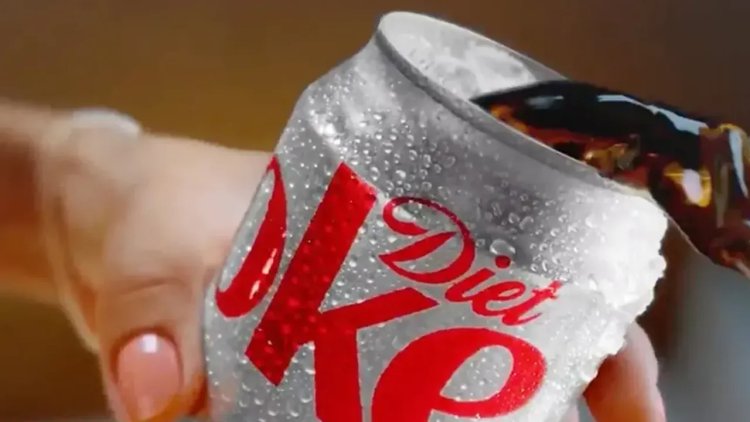
For many consumers, Diet Coke is a routine pick, something grabbed without a second thought. But recently, that routine has been disrupted. Across several cities in India, the popular beverage has quietly started disappearing from shelves, menus, and delivery apps.
The absence has not gone unnoticed. Regular buyers are finding it replaced by alternatives, while some outlets simply list it as unavailable. What started as a minor inconvenience has quickly turned into a talking point, especially online, where users are sharing their struggles to find their preferred drink.
This is not a demand problem. If anything, demand has remained steady. The real issue lies behind the scenes, in a supply chain that is currently under pressure.
One of the key factors driving this shortage is a global aluminum crunch. Aluminum is essential for manufacturing beverage cans, and any disruption in its supply directly impacts production. In recent weeks, aluminum prices have surged significantly, making it more expensive and harder for companies to maintain consistent output.
View this post on Instagram
The reasons for this shortage are tied to larger geopolitical developments. Ongoing tensions in parts of West Asia have disrupted production and supply routes for aluminum. When regions that play a crucial role in supplying raw materials face instability, the effects are felt across industries.
Shipping challenges have only added to the problem. Key global trade routes have experienced delays and disruptions, slowing down the movement of materials. This has created a bottleneck, where even if demand exists, the supply chain struggles to keep up.
Another challenge lies in the nature of aluminum production itself. Restarting production facilities is not an overnight process. Once operations slow down or halt, it takes time to bring them back to full capacity. This means that supply cannot quickly adjust to sudden disruptions.
At the same time, consumption patterns have not slowed. Beverage demand, particularly for ready to drink options, continues to remain strong. This creates a mismatch, where demand stays consistent but supply struggles to match it.
For companies like Coca Cola, this situation presents a complex challenge. It is not just about producing the drink, but ensuring that every element of the supply chain functions smoothly. When even one component faces disruption, the entire system is affected.
The company has indicated that a combination of higher consumption and raw material shortages has impacted availability in certain regions. Efforts are being made to stabilise supply, but such disruptions are not resolved overnight.
For consumers, the impact is simple and visible. Empty shelves, unavailable products, and substitutions are small but noticeable changes. It is a reminder of how interconnected the global supply chain has become.
A disruption in one part of the world can quickly translate into a shortage somewhere else. What seems like a local issue often has global roots.
This situation also highlights a broader trend. Everyday products are no longer immune to global challenges. From raw material shortages to logistical disruptions, multiple factors can influence availability in ways that are not immediately obvious.
For brands, this is a moment of adaptation. Managing supply chain risks, exploring alternative packaging, and maintaining consumer trust become critical priorities. For consumers, it is a rare glimpse into the complexity behind something as simple as a can of soda.
The Diet Coke shortage may eventually ease as supply chains stabilise. But for now, it serves as a small yet clear example of how global events can ripple into daily life.
Because sometimes, what feels like a missing product is actually a sign of a much larger story unfolding behind the scenes.