Meta Opens Ray-Ban Smart Glasses To Third-Party App Developers
Meta will allow developers to build apps for Ray-Ban Meta Smart Glasses as competition in wearable technology continues to grow.
 SociapaHQ
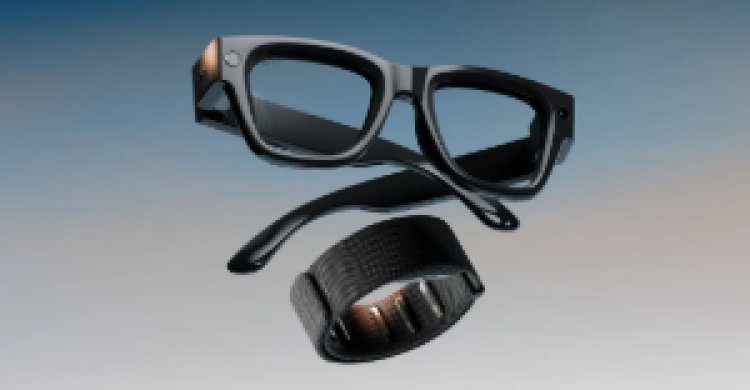
Meta Platforms has announced that developers will soon be able to build applications for its Ray-Ban Meta Smart Glasses, marking a significant expansion of the company’s wearable technology ecosystem.
According to Meta, the update will begin rolling out over the next few weeks and is expected to allow developers to create entirely new app experiences specifically designed for the smart glasses platform.
The move could also enable existing iOS and Android applications to integrate directly with the glasses, potentially allowing users to access app-based experiences through wearable interfaces instead of traditional smartphone screens, NewsBytes reported.
Also Read: Google Expands AI-Powered Android Security Features Amid Rising Mobile Scam Threats
As part of the announcement, Meta previewed a feature that could identify flights based on what users see through the glasses. The demonstration hinted at future use cases involving travel assistance, contextual notifications and hands-free information support delivered through wearable technology.
The company’s latest update reflects its broader efforts to position smart glasses as more than just connected accessories, expanding them into a larger computing and application ecosystem powered by artificial intelligence and real-time contextual awareness.
The announcement also comes as competition in the wearable technology space continues to intensify.
Also Read: Your Car May Know More About You Than You Think
Wearable Tech Competition Grows:
According to the report, Android XR is preparing its own smart eyewear ecosystem, beginning with Samsung’s upcoming Galaxy Glasses.
The growing activity around smart glasses highlights how technology companies are increasingly investing in wearable computing platforms that could eventually complement or reduce reliance on smartphones for certain tasks and experiences.
For developers, the update creates opportunities to experiment with hands-free interfaces, voice-led interactions and app experiences built around visual recognition and real-world context.
For the technology industry, the move signals how wearable devices are becoming a major battleground for future consumer technology ecosystems, particularly as companies race to combine artificial intelligence, hardware and mobile app experiences into more immersive and connected everyday products.