Your Car May Know More About You Than You Think
Modern connected cars are collecting vast amounts of driver and passenger data, raising concerns around privacy, surveillance and insurance pricing.
 SociapaHQ
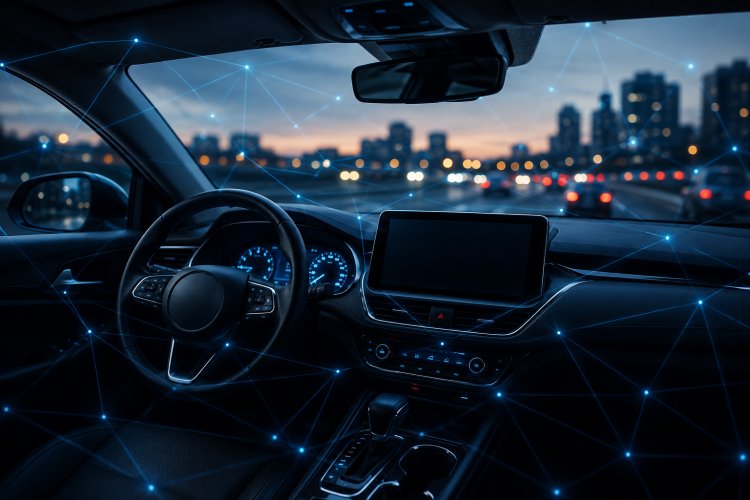
Modern internet-connected vehicles are collecting extensive amounts of personal data from drivers, raising growing concerns around privacy, surveillance and the commercial use of driver behaviour information.
According to the report by BBC, today’s vehicles function increasingly like “computers on wheels,” capable of gathering detailed information ranging from location history and driving patterns to biometric and behavioural data.
Automakers’ privacy policies reportedly disclose that cars can collect data including precise destinations, speed, braking habits, seatbelt usage, entertainment preferences and information about passengers inside the vehicle.
Some vehicles are also capable of collecting more sensitive details such as weight, age, race and facial expressions through in-car cameras and sensors.
Also Read: India’s Creator Economy Could Reach ₹5,000 Crore By 2027: Kofluence
Drivers Unaware Of Data Tracking:
Many modern cars remain continuously connected to the internet, allowing this information to be transmitted directly to manufacturers and third-party systems while the vehicle is in use.
Privacy experts say many consumers remain unaware of the scale of data collection taking place inside connected vehicles.
According to the report, insurance companies are among the largest buyers and users of vehicle data, with driving behaviour information increasingly being used to determine insurance pricing for some consumers.
Some automakers also reportedly acknowledge selling consumer data, though the report noted that companies are not always required to disclose who purchases the information.
Commenting on the issue, Darrell West said, “People would be shocked at the number of data points that their car collects and transmits to other people.”
“It basically means your life can be recreated almost on a second-by-second basis,” he added.
Also Read: Aakash Launches ‘Ruk Jaana Nahi’ Campaign Amid NEET-UG Re-Exam Uncertainty
Privacy Concerns Around Smart Cars:
The report also highlighted concerns around upcoming US federal regulations that will require automakers to install infrared biometric cameras and driver-monitoring systems aimed at detecting fatigue or intoxication.
While the systems are intended to improve road safety, critics argue they could significantly expand the amount of sensitive health and behavioural data collected by vehicles.
According to the report, there are currently no clear rules limiting how automakers may use or manage this additional data.
At the same time, connected vehicle technology also offers benefits including improved safety features, convenience and the possibility of lower insurance costs for safer drivers.
However, as automakers continue expanding connected vehicle ecosystems, the report said concerns around transparency, consent and data ownership are expected to intensify.
For consumers, the issue reflects how everyday technologies are increasingly becoming large-scale data collection systems operating in the background of daily life.