FirstClub campaign challenges everyday food habits with kids leading truth
FirstClub launches new campaign promoting food quality awareness, using children to highlight hidden compromises and encouraging consumers to make more mindful everyday eating choices.
 Anupriya
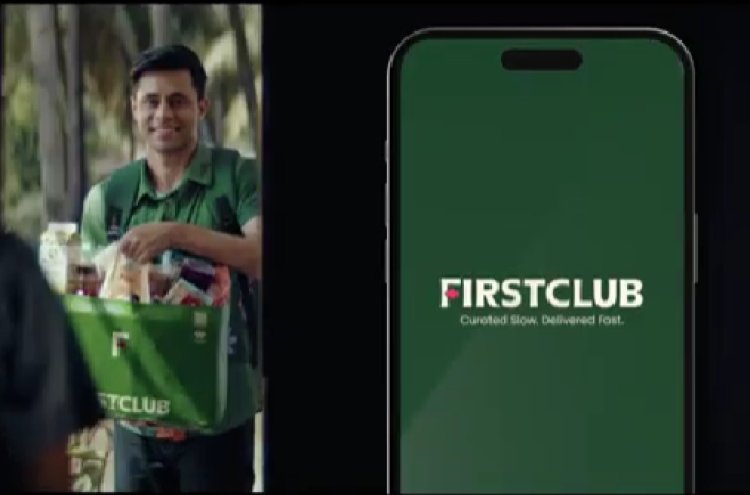
In a world where consumers double check everything from smartphones to travel plans, everyday food often escapes the same level of scrutiny. FirstClub is calling attention to this blind spot with its latest campaign, If It’s Not Good, It’s Not Here, and it is doing so in a way that feels both simple and striking.
The campaign flips the narrative by letting children lead the conversation.
Instead of adults discussing nutrition or ingredient lists, kids are shown questioning the food choices around them. Their honesty, curiosity, and lack of filters bring out a truth that many adults tend to overlook. When a child asks why something is being eaten despite not being good, it lands differently.
It makes people pause.
The central idea behind the campaign is rooted in a clear observation. Consumers are extremely careful when making big decisions, yet often compromise on daily food without realizing it. FirstClub uses this contrast to highlight how easily quality can be overlooked in routine choices.
Rather than sounding preachy, the campaign uses storytelling to gently nudge behavior.
The use of children adds a layer of relatability and innocence. Their questions do not feel accusatory, but they do feel real. This makes the message more engaging and easier to absorb. It is less about telling people what to do and more about making them think.
That subtle shift is what gives the campaign its edge.
At the core of the messaging is FirstClub’s focus on quality.
The platform follows a strict selection process where products that do not meet certain standards are simply not included. This approach covers everything from packaged goods to fresh produce. The emphasis is on removing harmful ingredients and ensuring consistent quality across categories.
For fresh items like fruits and vegetables, the checks go beyond appearance.
They include taste, texture, and overall freshness. The idea is to take away the guesswork for consumers and offer a level of assurance that simplifies everyday decisions.
In a way, the brand is positioning itself as a gatekeeper.
Instead of expecting consumers to analyze every product, it does the filtering on their behalf. This not only builds convenience but also strengthens trust. And trust is exactly what the campaign aims to establish.
The messaging also taps into a broader shift in consumer awareness.
People are becoming more conscious about what they eat. Labels are being read more carefully, and there is growing interest in clean and safe ingredients. However, awareness does not always translate into action. Convenience and habit often take over.
FirstClub tries to bridge that gap.
By using a light, engaging tone, it encourages consumers to rethink their choices without overwhelming them. The campaign does not rely on heavy data or fear-based messaging. Instead, it uses everyday situations to make its point.
From a creative standpoint, the execution stands out.
The setting, dialogues, and performances are designed to feel natural. The children are not over-scripted, which adds to the authenticity. Their interactions feel spontaneous, making the message more believable.
It is this authenticity that helps the campaign cut through the noise.
In a category where many brands focus on functional benefits or price points, FirstClub chooses to focus on behavior. It addresses not just what people buy, but how they think about what they buy.
That is a more challenging conversation, but also a more impactful one.
From a brand perspective, the campaign reinforces a clear positioning. FirstClub is not just a grocery platform. It is presenting itself as a quality-first choice, one that prioritizes safety and trust over everything else.
This positioning helps differentiate it in a crowded market.
While many platforms compete on speed or discounts, FirstClub is focusing on assurance. It is telling consumers that they do not have to compromise, even in everyday purchases.
In the end, the campaign leaves viewers with a simple thought.
If we are so careful about everything else in life, why not food?
And sometimes, it takes a child’s straightforward question to remind us of that.