YouTube Tightens Monetisation for Repetitive Content
YouTube’s July 2025 update targets mass-produced, AI-driven content, while urging creators to add original value and context to remain monetised.
 Anureet Kaur
YouTube Updates Monetisation Rules to Curb Mass-Produced Content
In a major move impacting millions of creators worldwide, YouTube’s updated monetisation policies under its YouTube Partner Program (YPP) took effect on July 15, 2025. The new update marks a crucial crackdown on what the platform calls “mass-produced or overly repetitive content”, especially targeting AI-generated videos, reused clips, and low-effort compilations.
While YouTube says these changes are refinements to existing rules rather than a complete overhaul, content creators—especially those who operate reaction and clip-based channels—have expressed concerns and confusion about whether they will still qualify for monetisation.
What Has Changed in the YouTube Partner Program?
According to YouTube, the updated monetisation policy tackles content that doesn’t demonstrate “original creator value”. This includes:
- AI-generated content with no personal commentary or edits
- Reused existing clips from movies, shows, or other creators
- Generic tutorials or vlogs using just stock footage and text-to-speech voiceovers
- Mass-produced video templates repeated with minimal customisation
Creators who focus on quantity rather than quality may lose monetisation privileges, even if their content technically complies with YouTube’s old standards.
However, YouTube has clarified that reaction videos, commentaries, and clip compilations are still allowed — but creators must add unique value, such as live thoughts, contextual insights, or new creative elements.
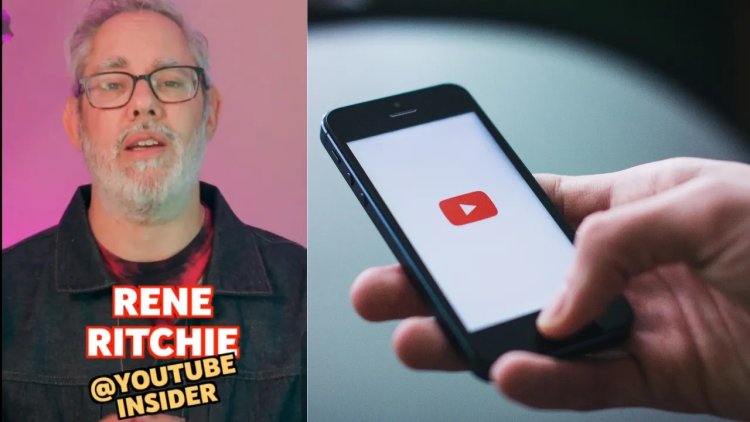
"This is a minor update to YouTube’s long-standing YPP policies to better identify content that lacks originality,” said Rene Ritchie, Head of Editorial and Creator Liaison at YouTube.
"If you add your voice, perspective, or creativity — you’re good."
Why This Update?
The change is part of YouTube’s broader plan to maintain the integrity and quality of its platform, especially as AI content continues to grow rapidly. The tech giant has noticed a rise in channels generating hundreds of videos per week, using automation tools that repurpose copyrighted or stock materials with minimal human involvement.
This trend, YouTube notes, threatens the visibility and earnings of creators who put time and effort into their videos.
By tightening monetisation rules, YouTube hopes to:
- Encourage genuine creativity
- Filter out spammy or recycled content
- Maintain advertiser trust
- Elevate channels that bring real value to the community
What This Means for Creators
The basic eligibility criteria for joining the YPP remains the same:
- 1,000 subscribers and 4,000 valid public watch hours in the past 12 months
OR - 10 million valid public Shorts views in the last 90 days
However, creators will now undergo additional content quality checks to ensure their videos demonstrate originality. Even those already part of YPP may face demonetisation if their content is flagged under the new guidelines.
What YouTube Now Requires:
- Original commentary or voiceover
- Editing that significantly transforms reused clips
- Unique storytelling or analysis
- No raw re-uploads of someone else’s content
- No robotic, auto-scripted videos with little human input
YouTube’s trust-and-safety team will use both machine learning and human reviewers to evaluate channels for policy violations.
Clarifying the Confusion
The update initially caused panic across creator forums, especially among those in the reaction, news, and compilation niches. Many worried they might lose income despite years of effort.
Rene Ritchie's recent post on X (formerly Twitter) assured the community that this is not a ban on reaction channels.
“It’s all about meaningful value. Add something that makes the content yours,” he reassured creators in a video Q&A.
In short, creators don’t need to stop reusing content — but they need to improve it in a way that benefits viewers.
Final Thoughts
With creator culture evolving and AI becoming increasingly accessible, platforms like YouTube face the challenge of balancing opportunity with authenticity. This update may initially cause disruption, but YouTube hopes it will lead to a more creative, less spammy platform—and one where genuine creators can thrive.
The message is loud and clear:
It's not just what you post, but how much of “you” is in it.