Brands That Found Their Own Red Carpet At The 2026 Met Gala
Brands used memes, mascots and social media trends to tap into Met Gala 2026 buzz.
 SociapaHQ
The Met Gala 2026 may be one of fashion’s most exclusive nights, but for brands watching from outside the velvet ropes, the real opportunity was happening online.
Held on May 4, this year’s Met Gala revolved around the theme “Fashion Is Art,” tied to the Metropolitan Museum of Art’s latest exhibition, Costume Art, which explores the relationship between garments and artistic expression across thousands of years. As celebrities, designers and athletes arrived in elaborate looks designed to blur the line between fashion and fine art, millions followed every outfit reveal in real time through social media feeds.
But while invited guests occupied the famous museum steps, another set of players was busy creating its own version of the event brands that never stepped onto the carpet, yet still found ways to insert themselves into the conversation.
For marketers, the Met Gala has evolved into more than a celebrity spectacle. It is now one of the few global cultural moments where entertainment, fashion, internet culture and social media collide at the same time. And because audience attention is concentrated so heavily in a single evening, brands increasingly treat the event like a live marketing playground.
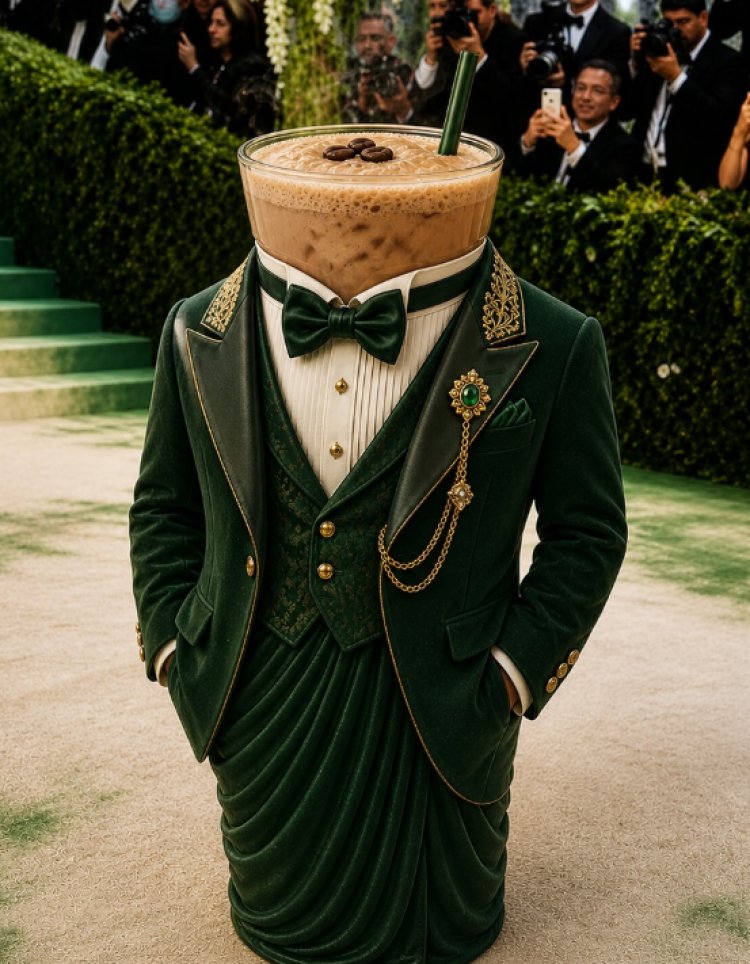
Without official invites or physical presence, several brands leaned into humour, memes and reactive content to participate from the sidelines. Mascots were dressed in couture-inspired outfits, products were digitally transformed into fashion statements and social teams rushed to publish commentary designed for reposts and screenshots. The internet effectively became a second red carpet one open to everyone.
The shift reflects how modern event marketing is no longer limited to sponsorships or formal partnerships. Platforms like Instagram, X and TikTok have made it possible for brands to borrow relevance from major cultural events through speed, creativity and participation alone. In many cases, visibility now depends less on access and more on timing and cultural fluency.
The contrast was particularly sharp this year. Inside the Gala, guests attended an intimate, no-phone dinner built around exclusivity. Outside, brands and audiences turned the event into a public digital spectacle fuelled by memes, reactions and viral commentary. The two experiences existed simultaneously one elite and controlled, the other chaotic and internet-driven.
For brands, the strategy is increasingly practical. Large-scale cultural events already command global attention, making them ideal opportunities for real-time engagement without the cost of official association. The challenge, however, lies in standing out without appearing forced, something audiences have become quick to call out online.
The Met Gala’s growing influence beyond fashion also signals a broader shift in how brands approach relevance. Rather than waiting for campaigns built months in advance, many now rely on agile social teams capable of reacting instantly to whatever the internet is already discussing.
In the end, while celebrities competed for the best-dressed lists, brands competed for something equally valuable attention in the scroll.
Here’s How Brands Joined The Met Gala Buzz:
View this post on Instagram
View this post on Instagram
View this post on Instagram
View this post on Instagram
View this post on Instagram
View this post on Instagram
View this post on Instagram