Blue Star cools IPL plans with digital first ad strategy
Blue Star skips IPL advertising this season, shifting 75 percent of its budget to digital platforms for sharper targeting and better campaign efficiency.
 Anupriya
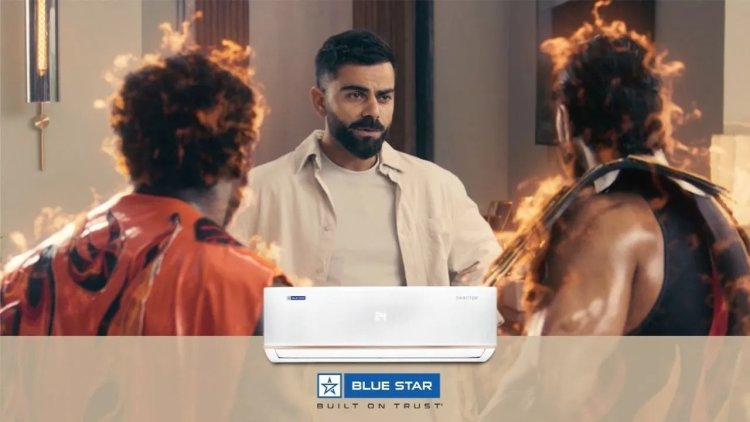
In a strategic shift that reflects changing advertising priorities, Blue Star has decided to skip Indian Premier League advertising this season and instead move nearly 75 percent of its advertising budget toward digital-led media. While the IPL remains one of the country’s biggest platforms for brand visibility, the cooling solutions company is choosing a more focused and performance-driven route.
For years, IPL has been the go-to destination for brands seeking nationwide exposure. With millions of viewers and unmatched cultural relevance, the tournament offers advertisers a chance to place themselves at the center of one of India’s most watched annual events. But Blue Star’s latest decision suggests that in today’s marketing landscape, scale alone may no longer be enough.
The brand’s move highlights a growing shift among marketers toward prioritizing targeted and measurable advertising over broad-reach campaigns. Instead of investing heavily in expensive mass-media placements, Blue Star is choosing to focus on platforms that offer better audience targeting, stronger analytics, and real-time campaign optimization.
This strategy is particularly logical for a category like cooling appliances.
Unlike impulse-buy products, air conditioners and cooling systems are high-consideration purchases. Consumers generally spend time researching, comparing options, checking prices, and reading reviews before making a decision. In such a category, broad awareness is useful, but reaching consumers at the right moment in their purchase journey is even more valuable.
By shifting toward digital, Blue Star can specifically target consumers who are actively exploring cooling products online rather than simply showing ads to a mass audience watching cricket.
The move also reflects how significantly digital media has evolved. Once viewed as just an add-on to traditional advertising, digital has now become central to many brand strategies. It allows brands to customize campaigns based on geography, demographics, search behavior, and consumer interests. It also provides detailed performance metrics, helping marketers understand exactly how campaigns are performing.
For Blue Star, this means greater efficiency and more control over how its marketing spend is utilized.
Another likely reason behind the decision is the rising cost of IPL advertising. As the tournament’s popularity continues to grow, so do the rates for ad placements. IPL remains one of the most premium advertising properties in India, and for many brands, the investment required can be substantial.
Blue Star appears to be evaluating that cost against potential return and deciding that digital media offers stronger value for money.
Rather than spending heavily for broad exposure, the company seems focused on ensuring every advertising rupee delivers measurable impact.
Importantly, this does not suggest Blue Star is stepping away from brand-building entirely. Instead, the company is recalibrating its media mix to align better with modern consumer behavior and marketing efficiency. The shift to digital is not just a trend-based decision but a strategic adjustment based on where consumers are spending their time and how they make purchasing decisions.
From a branding perspective, the decision positions Blue Star as a company taking a thoughtful, ROI-driven approach to advertising. It reflects confidence in understanding its audience and knowing that relevance often matters more than raw reach.
The move also points to a larger transformation in India’s advertising ecosystem. More brands are beginning to question traditional mass-advertising strategies and reevaluate whether high-cost platforms like IPL deliver the best return for every category.
Today’s marketers are no longer only asking how many people saw their ad. They are asking whether the right audience saw it, whether the ad drove action, and whether the investment delivered business results.
That performance mindset is reshaping advertising decisions across industries.
Of course, skipping IPL is not without risk. The tournament offers more than just impressions. It provides emotional relevance, prestige, and association with a major national event. By opting out, Blue Star gives up the chance to participate in one of the biggest cultural conversations of the year.
Still, the company appears confident that sharper targeting and better conversion potential outweigh the benefits of mass-event exposure.
In the end, Blue Star’s decision is not a rejection of traditional advertising but a sign of evolving priorities. It reflects a modern marketing mindset where precision, performance, and measurable outcomes are becoming more important than simply being seen everywhere.
And in a world where every marketing rupee is scrutinized, Blue Star may be proving that smart brands do not just spend big, they spend wisely.