Adidas Designs Running Shoes That Finally Keep Every Athlete Moving
Adidas introduces adaptive running shoes designed with disabled athletes, improving comfort, accessibility, and performance while redefining inclusivity in sportswear innovation worldwide today.
 Anupriya
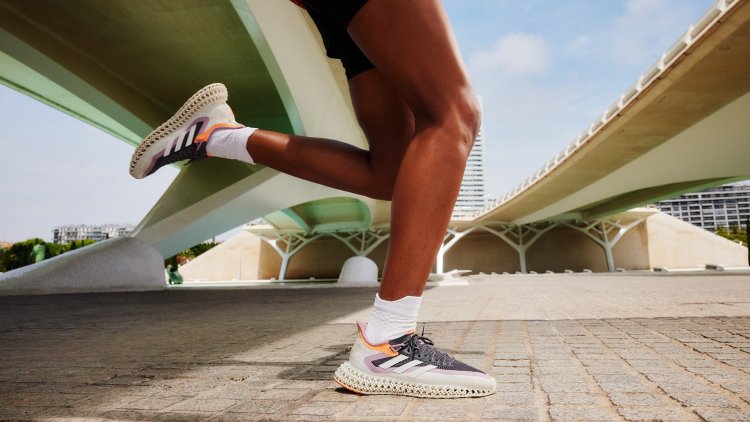
In a move that feels less like product innovation and more like a long-overdue reality check, Adidas has unveiled a running shoe designed specifically for athletes with disabilities. Not as an afterthought. Not as a tweak. But as a product built from the ground up with the very people it aims to serve.
Called the Supernova Rise 3 Adaptive, the shoe marks a significant shift in how mainstream sports brands approach inclusivity. For years, adaptive athletes have had to adjust themselves to products never truly designed for them. Adidas, this time, flipped the script and asked a simple question: what if the product adjusted to the athlete instead?
The answer came through a multi-year collaboration with adaptive athletes, including individuals with Down syndrome, mobility challenges, and sensory sensitivities. Among them was Chris Nikic, the first person with Down syndrome to complete an Ironman, whose lived experience played a crucial role in shaping the shoe’s design.
View this post on Instagram
The result is not just a shoe, but a rethinking of performance itself.
Because for many adaptive athletes, performance does not begin with speed or endurance. It begins with access. Something as basic as putting on a shoe or avoiding pain during a run can be the difference between participation and exclusion. Adidas recognized this gap and addressed it with features that feel refreshingly intentional.
The shoe includes a structured heel for easier step-in, a wider fit to accommodate different foot shapes, and a low-pressure lacing system that reduces discomfort. Add to that tactile design elements for sensory guidance and magnetic toggles that eliminate the need for fine motor precision, and you start to see a product that understands its user beyond the surface.
Comfort, too, has been reengineered. The Dreamstrike+ foam midsole offers a softer, more forgiving ride, while the outsole ensures stability without complicating ground contact. These are not just technical upgrades. They are thoughtful responses to real physical challenges faced by athletes who have historically been overlooked.
The timing of the launch adds another layer of meaning. Released on World Down Syndrome Day, the shoe is as much a statement as it is a product. It signals Adidas’ intent to move beyond symbolic inclusion and into tangible change.
This initiative also builds on the brand’s earlier efforts like the Runner 321 campaign, which reserved marathon bib number 321 for runners with Down syndrome. That campaign created visibility. This shoe creates possibility.
What makes this launch stand out is not just the innovation, but the process behind it. Adidas partnered with inclusive design experts and conducted extensive testing with a diverse group of users, ensuring the final product reflects real-world needs rather than assumptions. The shoe even earned recognition for inclusive design excellence, reinforcing the credibility of the effort.
And perhaps that is the real story here.
In an industry often driven by hype drops and aesthetic upgrades, Adidas has chosen to focus on something far more meaningful: access. The Supernova Rise 3 Adaptive does not scream for attention. It quietly solves problems that should have been addressed long ago.
Because when a product allows someone to run without pain, to move without barriers, or to simply participate without compromise, it is not just good design. It is dignity, engineered.
And for once, the finish line feels like it has been moved a little closer for everyone.