Škoda Kushaq Recreates DDLJ Magic With A Modern Twist
Škoda’s new Kushaq campaign taps into DDLJ nostalgia, blending iconic romance with modern storytelling to position the SUV as an easy to love companion.
 Anupriya
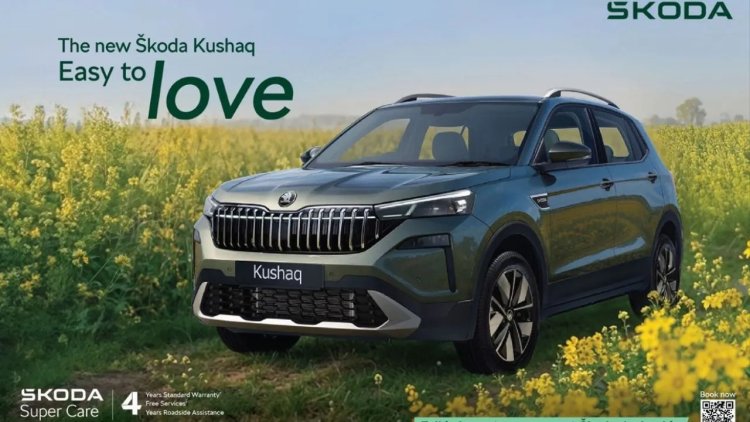
In India, some stories never grow old. Among them, Dilwale Dulhania Le Jayenge holds a special place a film that defined romance for generations. Škoda taps into this cultural legacy with its latest campaign for the Kushaq, blending nostalgia with a fresh, contemporary narrative.
The campaign revolves around a simple idea make people fall in love, effortlessly.
By drawing inspiration from one of Bollywood’s most iconic romantic moments, Škoda positions the Kushaq as a vehicle that is “easy to love.” But instead of directly recreating the film, the brand reinterprets its essence, giving it a modern spin.
The film captures familiar visual cues that instantly remind viewers of the classic train scene associated with DDLJ. The setting, the emotion, and the sense of anticipation all come together to create a moment that feels both nostalgic and new.
This approach works because it taps into collective memory.
For many Indians, DDLJ is more than just a movie it is a cultural reference point. By leveraging this association, Škoda creates an instant emotional connection with its audience.
At the same time, the campaign does not rely solely on nostalgia.
It integrates the Kushaq seamlessly into the narrative, making the car a part of the story rather than an afterthought. The vehicle is positioned as a companion in moments of connection, reinforcing its role beyond just functionality.
The storytelling remains light, romantic, and engaging.
Instead of focusing on technical specifications, the campaign highlights the feeling associated with the product. This emotional positioning allows Škoda to differentiate itself in a competitive market where feature driven communication is common.
The idea of being “easy to love” also extends beyond the narrative.
It reflects the brand’s attempt to make the Kushaq more approachable and relatable. Whether it is design, comfort, or everyday usability, the campaign suggests that the car fits naturally into people’s lives.
Another strength of the campaign lies in its cultural relevance.
Nostalgia driven marketing has become increasingly popular, especially when it connects with widely recognised references. However, the challenge is to use nostalgia without making it feel outdated.
Škoda manages this balance by keeping the execution modern.
The visuals are polished, the pacing is contemporary, and the storytelling is designed for today’s audience. This ensures that while the inspiration is rooted in the past, the experience feels current.
The campaign also reflects a broader trend in automotive advertising.
Brands are moving away from purely functional messaging and focusing more on emotional storytelling. Cars are no longer just machines they are part of personal experiences, relationships, and memories.
Škoda leans into this shift by making the Kushaq a part of a familiar love story.
The timing of the campaign further enhances its impact.
With audiences increasingly drawn to content that evokes familiarity, the use of a well loved cultural reference helps the brand stand out in a crowded space.
At the same time, the campaign remains accessible to younger viewers who may not have experienced the film firsthand but recognise its iconic status.
This cross generational appeal strengthens the campaign’s reach.
In the end, the message is clear.
Some things are easy to fall in love with.
And with its blend of nostalgia and modern storytelling, Škoda positions the Kushaq as one of them.