WHO Declares Ebola Outbreak In DR Congo A Global Health Emergency
WHO has declared the Ebola outbreak in DR Congo a public health emergency of international concern amid fears of wider regional spread.
 SociapaHQ
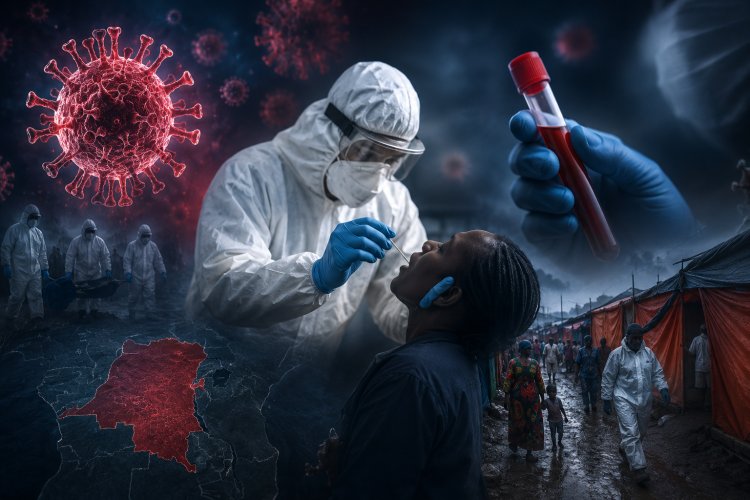
World Health Organization (WHO) has declared the ongoing Ebola outbreak in the Democratic Republic of the Congo a public health emergency of international concern, warning that the situation could develop into a much larger regional outbreak.
The outbreak is centred in the country’s eastern Ituri province, where around 246 suspected cases and 80 deaths have been reported so far, BBC reported.
Although the WHO said the situation does not currently meet the criteria for a pandemic-level emergency, the agency warned that there remains a significant risk of local and cross-border spread.
Also Read: Anti-Tobacco Groups Criticise Marlboro’s ‘I AM’ Advertising Campaign
Cases Spread Across Ituri:
According to the WHO, the outbreak is linked to the Bundibugyo strain of the Ebola virus, for which there are currently no approved vaccines or treatments.
Early symptoms of Ebola include fever, headache, muscle pain, fatigue and sore throat, followed by vomiting, diarrhoea, rash and internal or external bleeding.
The WHO said there are currently eight laboratory-confirmed cases across three health zones, including Bunia, the capital of Ituri province, and the gold-mining towns of Mongwalu and Rwampara.
One confirmed case has also been detected in the Congolese capital Kinshasa and is believed to involve a patient who had recently travelled from Ituri province.
The outbreak has now spread beyond DR Congo, with neighbouring Uganda reporting two confirmed Ebola cases.
Ugandan authorities said a 59-year-old man who died on Thursday tested positive for the virus.
Also Read: Publicis Groupe To Acquire LiveRamp In $2.2 Billion Deal
Neighbouring Countries Increase Surveillance:
According to reports, another Ebola case was confirmed in the eastern city of Goma, an area currently controlled by M23 rebels.
The situation has also raised concerns internationally after reports suggested that at least six Americans may have been exposed to Ebola in DR Congo, although no infections have been confirmed.
The US Centers for Disease Control and Prevention (CDC) said it plans to deploy additional staff to both DR Congo and Uganda, while the US Embassy in DR Congo issued a travel health advisory warning citizens against travelling to Ituri province.
The WHO said the ongoing humanitarian crisis, insecurity, population movement and large number of informal healthcare facilities in eastern DR Congo are increasing the risk of wider transmission.
Countries neighbouring DR Congo have also started strengthening border surveillance and screening procedures.
Rwanda said it would tighten health screening measures along its border with DR Congo as a precautionary step.
The WHO has advised DR Congo and Uganda to establish emergency operation centres, strengthen case tracing systems and isolate confirmed Ebola patients immediately to reduce further spread.
However, the agency said countries outside the affected region should not close borders or impose travel and trade restrictions, stating that such measures are often driven by fear rather than scientific evidence.