India Temporarily Restricts Telegram Ahead of NEET-UG 2026 Re-Exam
The Indian government has temporarily restricted Telegram and disabled its message-editing feature following NTA recommendations to curb fraud and misinformation ahead of the NEET-UG 2026 re-examination.
 SociapaHQ
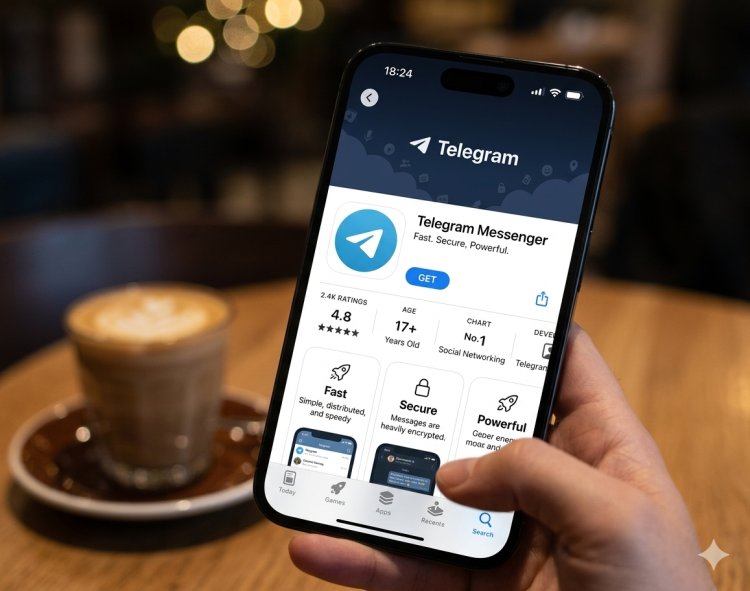
The Central government has temporarily suspended messaging platform Telegram throughout India till June 22, on the recommendations of the National Testing Agency (NTA), as the efforts to prevent fraud and misinformation around the NEET-UG 2026 re-examinations gather pace.
The NTA, in an official statement, said that the Ministry of Electronics and Information Technology (MeitY) has imposed this temporary restriction during the crucial examination period and its immediate aftermath. The ministry has also asked Telegram to disable its message editing feature in India till June 30.
Also Read: Florida Sues TikTok Over Alleged Violations of Child Safety Law
Move Aimed at Preventing Exam Fraud:
The NTA said the decision was taken in view of the growing misuse of Telegram by organised cheating networks who are allegedly targeting medical aspirants with fake claims of access to examination papers.
Multiple Telegram channels were allegedly extorting money from students and parents for the so-called access to the NEET-UG 2026 re-exam paper. The agency said such claims were “totally false and intended to exploit candidates”.
They hope the limitation of access to the platform during examination period will help thwart such activities and reduce the spread of misleading information.
Also Read: How Lay’s Is Reinventing a 100-Year-Old Brand by Returning to Its Roots
Message Editing Feature Also Disabled:
The government has also moved to disable Telegram's message-editing functionality in India until June 30.
The NTA said the measure is intended to prevent fraudsters from creating fabricated evidence of question paper leaks by editing older messages while retaining their original timestamps.
Officials noted that such tactics have previously been used to falsely suggest prior access to confidential examination material.