Pinterest’s Latest Campaign Urges Users to Live Life Beyond the Scroll
Pinterest launches a new campaign urging users to spend less time scrolling and more time living.
 SociapaHQ
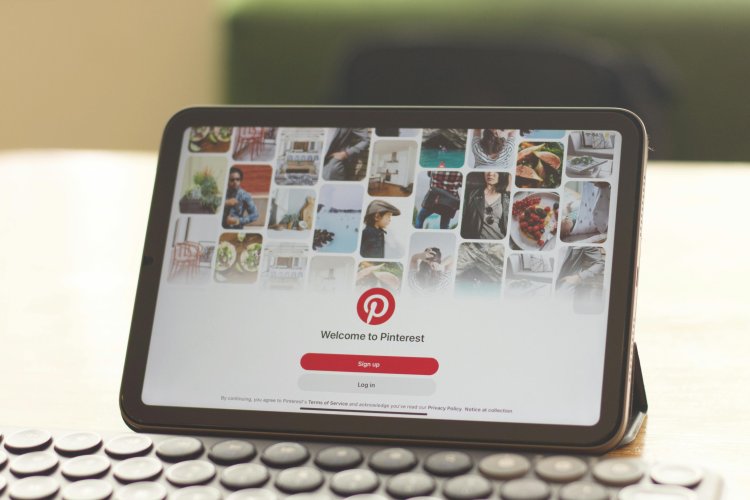
Pinterest is taking a clear stance against endless scrolling with a new global brand campaign that questions how people spend time online and what they lose in the process.
The campaign arrives at a moment when digital fatigue is increasingly visible. Today, a few minutes of scrolling can quickly stretch into hours, driven by autoplay videos, algorithmic feeds and constant engagement loops. Nearly half of US teens say they spend too much time on social media, with many also believing it negatively affects people their age.
From Inspiration To Real Action:
Pinterest is positioning itself as an alternative to that cycle. Instead of keeping users locked into passive consumption, the platform is emphasizing action. The idea is simple: move from inspiration to doing something in the real world.
“Most platforms are engineered to keep you scrolling through other people's lives. Pinterest is engineered to get you off the app and into yours,” said Claudine Cheever, Chief Marketing Officer at Pinterest. “That's a fundamentally different value proposition, and this campaign is our boldest statement of that yet. We're not just launching creative, we're making a case for what the internet should actually be.”
Also Read: Google Photos to Turn Your Camera Roll Into a Personal Closet With New Wardrobe Feature
From Scrolling To Real Life:
At the center of the campaign is a 60 second film titled “How did they do it?”, produced in house by Pinterest’s creative team. It features old home videos and family photos submitted by employees, capturing moments from a time before social media shaped everyday behavior. The film leans into nostalgia, showing a version of life that feels less curated and more lived.
The message is not subtle. While many platforms are designed to maximize time spent, Pinterest is reframing success as time well spent offline. This distinction is becoming more relevant as conversations around digital wellbeing grow louder.
For brands and marketers, this signals a shift in platform positioning. Pinterest is not competing purely on attention anymore, but on intent and outcomes. That could make it more attractive for advertisers looking to connect with users closer to decision making moments rather than passive browsing.
For consumers, the campaign taps into a broader cultural pushback against always on digital behavior. It reflects a growing desire to reclaim time, attention and real world experiences.
For the industry, it raises a larger question. If more platforms begin to question engagement at all costs, the definition of value in social media may start to change.