KitKat joins One Piece to make snack breaks epic
KitKat India partners with One Piece for anime-inspired campaign featuring themed packaging, digital content, and social activations to engage India’s growing anime fanbase.
 Anupriya
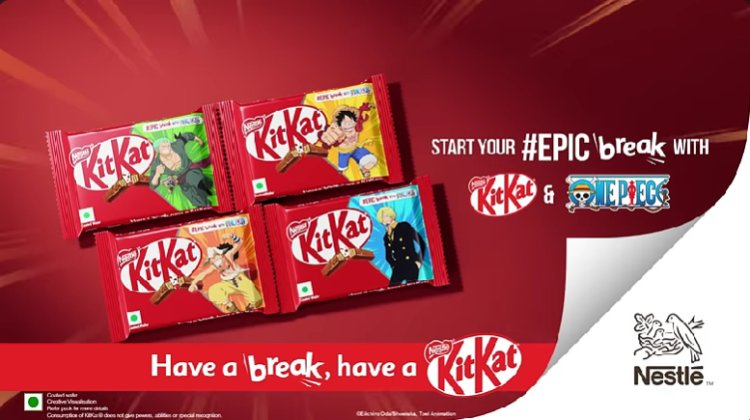
In a move blending pop culture with everyday indulgence, KitKat India has teamed up with One Piece for a new campaign aimed at engaging the country’s growing anime-loving audience. The collaboration marks a fresh step in KitKat’s youth-focused marketing strategy, as the brand taps into fandom culture to stay relevant among younger consumers.
As part of the campaign, popular One Piece characters will appear on KitKat’s packaging, transforming regular chocolate bars into collectible-style packs for fans. The anime-themed design adds a playful and visually exciting layer to the product, offering consumers something beyond just the snack itself.
The move reflects KitKat’s growing focus on culture-driven branding. Rather than relying only on traditional product-led messaging, the brand is increasingly building campaigns around trends, communities, and lifestyle interests that resonate with modern audiences.
This strategy makes sense in today’s market, especially when targeting Gen Z and younger millennials. Consumers now expect brands to engage with their passions and interests rather than simply advertise at them. From gaming and music to fashion and anime, cultural relevance has become a major part of successful brand communication.
That is where One Piece becomes a strong fit.
As one of the most iconic anime franchises in the world, One Piece carries a massive and loyal fan following across generations. In India too, anime viewership has grown significantly over the past few years, fueled by streaming platforms, digital communities, and growing mainstream interest.
By partnering with such a recognizable entertainment property, KitKat positions itself at the center of a rising cultural trend. The brand is no longer just selling chocolate. It is connecting itself to entertainment, fandom, and identity.
The collaboration is also being supported by a digital-first campaign rollout. Along with themed packaging, KitKat has launched digital films, social media content, and outdoor promotions to build awareness and engagement around the partnership.
This multi-platform strategy helps ensure the campaign reaches consumers across different touchpoints, from online scrolling to offline shopping experiences. It also increases the campaign’s potential for organic buzz, especially among highly engaged anime communities who are likely to share and discuss the collaboration online.
The campaign aligns well with KitKat’s broader brand evolution. Over the years, the brand has consistently adapted its messaging to stay fresh and appealing to younger audiences. While its core “Have a Break” positioning remains intact, the execution has become more playful, digital, and culturally responsive.
The One Piece collaboration extends that journey by turning the act of snacking into something more interactive and emotionally engaging. It adds a sense of collectibility and excitement that makes the product feel like part of a larger experience.
There is also a clear strategic advantage behind the move. Anime as a category is becoming increasingly valuable for marketers. What was once seen as niche entertainment has grown into a major youth interest category, with fans actively spending on merchandise, events, and themed experiences.
By entering this space early, KitKat gains an advantage in connecting with a highly passionate and community-driven audience before more brands flood the category.
From a brand perspective, the campaign strengthens KitKat’s image as fun, trend-aware, and in tune with youth culture. It helps reinforce the idea that the brand understands what its audience enjoys and is willing to participate in those interests authentically.
Of course, collaborations like this only work when executed thoughtfully. Pop culture audiences, especially anime fans, can quickly identify when a brand is engaging superficially. Authenticity matters, and brands need to ensure the partnership feels meaningful rather than opportunistic.
Fortunately, KitKat appears to have approached the collaboration with care by integrating the theme directly into the product and building an ecosystem of supporting content around it.
In the end, the campaign is more than just a packaging refresh. It is a reflection of how brands are evolving to stay culturally relevant in a fast-changing market.
And if the response is strong, KitKat may prove that the future of snack marketing lies not just in flavor, but in fandom too.