Meet Ghost Font: The Typeface Humans Can Read, AI Can't
Ghost Font uses motion-based illusions to create text humans can read while making it difficult for AI models to decode.
 SociapaHQ
As artificial intelligence becomes better at reading handwritten notes, scanned documents, and even fuzzy screenshots, a new experimental project called Ghost Font is testing whether text can be made readable for humans while staying hard for artificial intelligence systems to interpret.
Eric Lu, a US-based designer and developer, has created Ghost Font, which relies on a motion-based optical illusion instead of traditional letterforms. In early tests, the project tricked advanced A.I. systems from OpenAI and Anthropic, Lu says, but the hidden text was still visible to human viewers. A post showing the concept has been viewed more than 17 million times on X.
Also Read: Apple Bans Home Services Ads on Apple Maps
How Ghost Font Works:
Traditional fonts are visible letters, Ghost Font is not. Instead, it creates animations from thousands of tiny moving dots.
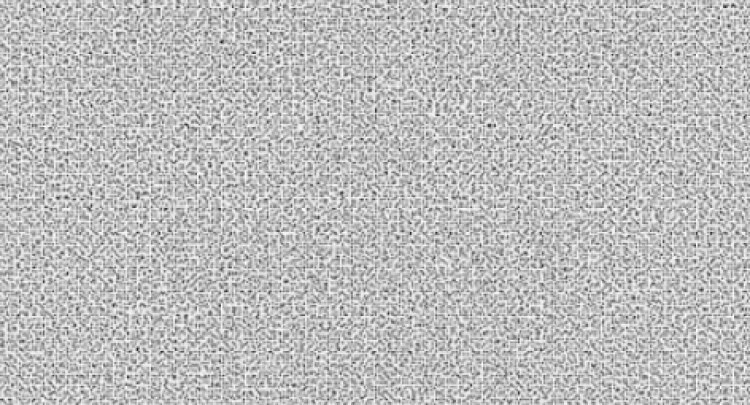
Each hidden letter consists of dots that move in one direction while the surrounding dots move in the opposite direction. As the animation plays, the human visual system groups the moving dots together, and the hidden word naturally emerges, even when no outlines are visible.
But when the animation stops the illusion is gone and you are left with what looks like random visual noise.
Ghost Font also employs decoy text to fool AI models. Humans rely on motion cues to understand what is meant . However , artificial intelligence systems analysing videos frame by frame might detect the decoy text and confidently return an incorrect result .
Ghost Font, which Lu describes in a blog post as an experiment in “anti-AI typography”, explores whether written communication can still be understood by humans while avoiding interpretation by automated artificial intelligence systems.
Also Read: Creators Move Delhi HC Over Alleged Meta Copyright Abuse
AI Tests and Reactions:
Lu said he ran Ghost Font through sophisticated AI models by OpenAI and Anthropic. Neither model could figure out the hidden message by itself unless it was told how the illusion worked first, he said.
The experiment demonstrates the difference between how humans perceive moving images and how current artificial intelligence systems do, he said.
At the same time, Lu acknowledged that it is not impossible for AI to decode Ghost Font. And he said the technique could eventually be beaten by future models, or even existing ones with different prompts or more sophisticated frame analysis.
The project has generated online debate. Some users said the experiment showed weaknesses of current multimodal AI models, while others said the bug is temporary and will likely be fixed as video understanding gets better. Its practical value was also questioned by others, and some even joked that the hidden text was difficult to read sometimes, even for people.