ChatGPT and LLM Referrals Grow but Convert Worse Than Google Search Today
New study finds ChatGPT and other LLM traffic rising but trailing Google Search in ecommerce conversion rates and revenue per session- highlighting an early-stage channel still evolving.
 Sandhya
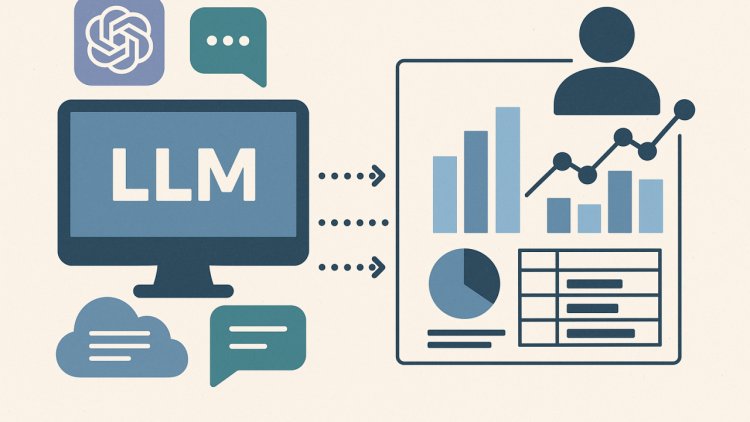
As AI-driven platforms become increasingly embedded in online search and shopping experiences, marketers are eager to understand how these new channels impact ecommerce performance. A recent comprehensive study analyzing data from 973 ecommerce websites with a combined revenue of $20 billion sheds light on how ChatGPT and other large language models (LLMs) compare to traditional digital channels like Google Search in driving conversions and revenue.
The Data Set and Methodology
The study spanned a full year, from August 2024 through July 2025, and included analysis of over 50,000 ChatGPT-originated transactions versus 164 million transactions from established digital sources, such as Google organic and paid search, email, affiliates, and paid social channels. Advanced regression models were used to control for differences in device types, site effects, and sparse data to generate a robust comparison of conversion rates, revenue per session, bounce rates, and session engagement metrics.
Key Findings: Volume and Conversion Comparison
ChatGPT referrals accounted for approximately 0.2% of total sessions- roughly 200 times smaller than Google organic search traffic volume.
Over 90% of LLM-driven ecommerce traffic came from ChatGPT specifically; other assistants like Perplexity, Gemini, and Microsoft Copilot contributed negligible sessions.
Conversion rates for affiliate (+86%) and organic search (+13%) were higher than ChatGPT’s, with only paid social performing worse in conversion.
ChatGPT’s revenue per session lagged behind both paid and organic search, though it outperformed paid social in this metric.
Bounce rates from ChatGPT referrals were lower than most channels, but overall session depth remained lower compared to traditional search.
Growth Trends and Trajectory
Despite these gaps, ChatGPT’s conversion rate and revenue per session steadily improved over the study period, although average order value declined slightly. Researchers predict further gains for AI-assisted shopping in the next year but do not foresee ChatGPT or other LLMs overtaking Google organic search in direct conversions or revenue within that timeframe.
The authors note that early-stage user friction- such as trust issues and verification behaviors- likely drive shoppers to confirm purchases through traditional channels, shifting last-click attribution away from AI platforms.
Broader Context: AI as an Emerging, Complementary Channel
This study aligns with recent research from SALT.agency and Amsive, which similarly find that while LLM referrals to ecommerce are growing, they still show weaker engagement and conversion than organic search channels across most sectors. Niche areas like health and career queries show slightly better performance from LLM traffic, but these are exceptions rather than the rule.
The consistent takeaway is AI-driven referrals represent an emerging but currently secondary channel that marketers should test and learn from as shopping journeys evolve.
What This Means for Marketers
While Google Search remains king for direct ecommerce conversions, the rise of LLMs like ChatGPT marks a new frontier to experiment with early.
Marketers should monitor AI referral performance cautiously, understanding limitations and the potential for shifts in consumer behavior as AI capabilities improve.
The AI ecosystem’s evolving role in customer touchpoints suggests future attribution models may need to adapt beyond last-click models to fairly credit AI influences in complex purchase journeys.
Final Thoughts
Though ChatGPT and LLM search referrals currently convert worse than Google Search, their growth trajectory and improving metrics signal growing importance. The channel is maturing, and now is the time for brands to test AI-driven traffic, iterate on learnings, and prepare for broader AI influence on ecommerce conversions in the years ahead.
The data confirms what many marketers suspected: AI assistants haven’t disrupted Google Search dominance- at least not yet- but the upward trend is undeniable.