RCB vs DC Final Signals Women’s Cricket’s Arrival as a Mainstream Marketing Platform
The WPL 2026 final between RCB and DC highlighted women’s cricket’s rise as a dependable platform for advertisers, sponsors and long-term brand investment.
 Sandhya
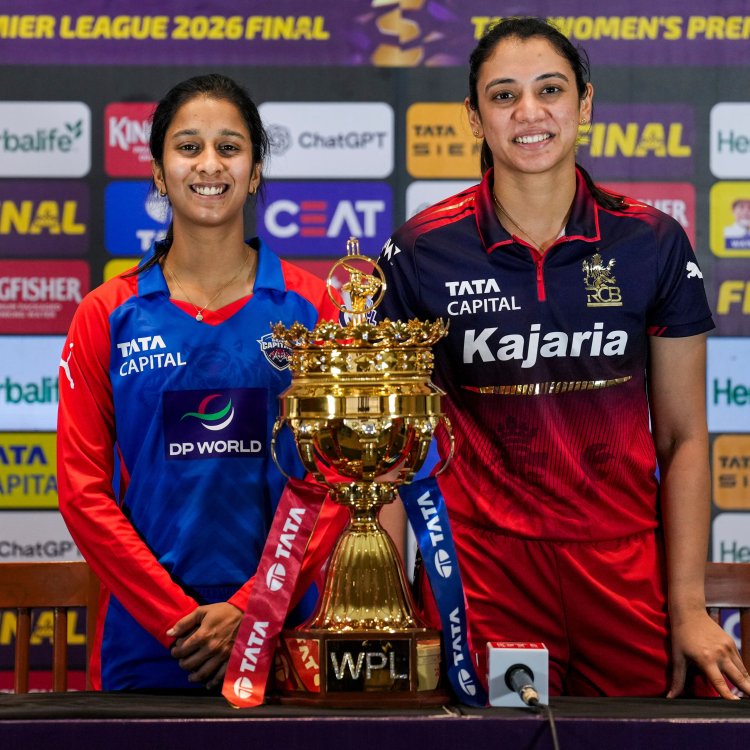
The 2026 season of the Women's Premier League ended with more than a trophy lift. The summit clash between the Royal Challengers Bengaluru and the Delhi Capitals underlined how women’s cricket has moved from promise to proven commercial opportunity, with advertisers, sponsors and media planners treating the tournament as serious business rather than an experiment.
View this post on Instagram
From the opening week itself, conversations around the league extended beyond on-field action. Marketers tracked endorsement line-ups, partnership categories and the steady inflow of new brands looking for visibility in what is fast becoming one of India’s most valuable sports properties. By the time the final arrived, the narrative had already shifted toward scale, credibility and long-term investment.
The match provided a dramatic backdrop to that shift. Delhi posted a formidable total in the final, setting up what looked like a title-clinching performance. Yet a counterattack led by Smriti Mandhana and Georgia Voll turned the chase into one of the defining moments of the tournament. When Radha Yadav struck the winning boundary, it closed not only a game but also a season that advertisers could hardly have scripted better.
Mandhana’s captain’s innings blended sporting excellence with brand power. Voll’s contribution ensured the chase stayed alive, keeping viewers engaged deep into the contest. The closing moments delivered peak drama, the kind that strengthens confidence among sponsors seeking emotional and cultural impact.
For Royal Challengers Bengaluru, the win added another chapter to a growing success story. For Delhi Capitals, it meant another near miss. For marketers, it confirmed something bigger: women’s cricket now offers consistency, narrative depth and reliable returns in visibility and engagement.
The commercial momentum around the league has been building steadily. Media planners and brand managers increasingly speak of the WPL in the same breath as established men’s tournaments. Sponsorship slabs have widened, advertiser categories have diversified and investment appetite has strengthened season after season.
What was once viewed as progressive positioning has evolved into mainstream allocation. Beyond legacy FMCG participation, newer sectors such as fintech, consumer technology, automotive and emerging digital brands have entered the mix. The result is a broader ecosystem where women’s cricket is no longer fighting for legitimacy but commanding strategy.
By the end of the final, the symbolism was hard to miss. A high-scoring contest, recognisable stars, repeat champions and packed narratives created a property that delivered both entertainment and commercial reassurance. The season may have lasted only a few weeks, yet the signals it sent to the market will influence planning cycles for far longer.
For brands evaluating where to place future bets, the takeaway is straightforward: the WPL has crossed the threshold from opportunity to certainty.