Baccha Hai Tu Mera Trend Turns Brands Into Fans
Rakesh Bedi’s viral dialogue sparks brand campaigns across industries, as marketers creatively tap pop culture momentum to connect with audiences through humor and relatability.
 Anupriya
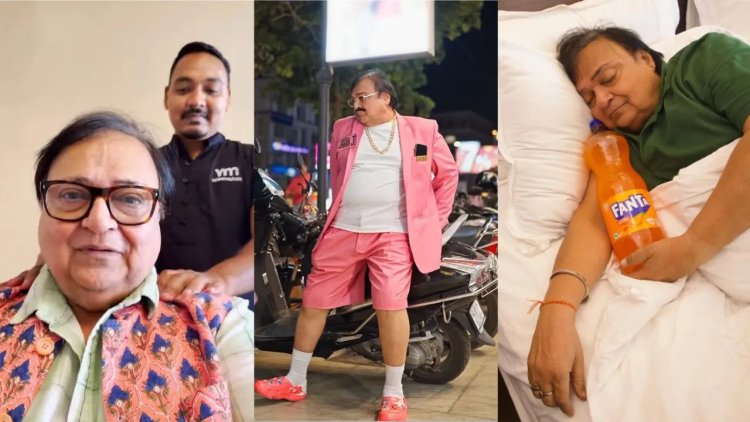
Sometimes, all it takes is one dialogue to go from the big screen to everyone’s screen—and “Baccha hai tu mera” is living proof of that.
Originally delivered by veteran actor Rakesh Bedi in the film Dhurandhar 2, the line has quickly transformed into a full-blown internet phenomenon. What started as a dramatic moment in a film has now found a second life in memes, reels, and—most notably—brand campaigns.
And brands didn’t just notice the trend. They jumped right into it.
View this post on Instagram
Social media users were the first to remix the dialogue, pairing it with everyday situations—from playful banter between friends to exaggerated takes on daily struggles. The line struck a perfect balance between authority and affection, making it versatile enough to fit almost any context. Before long, it became a go-to punchline across platforms.
Marketers, always on the lookout for cultural moments, saw an opportunity they couldn’t ignore.
View this post on Instagram
From food brands to fintech companies, multiple players across industries began using the dialogue in their creatives. The executions were simple yet effective—take a relatable situation, build a light narrative, and land the punchline with “Baccha hai tu mera.” The result? Content that felt native to social media rather than forced advertising.
View this post on Instagram
What makes this trend particularly powerful is its adaptability. The phrase can be humorous, sarcastic, or even slightly emotional depending on how it’s used. Brands have leveraged this flexibility to speak directly to their audience in a tone that feels familiar and engaging.
It’s not just about using a trending line—it’s about using it well.
The best-performing creatives are those where the dialogue feels like a natural extension of the idea, not an afterthought. When done right, it blends seamlessly into the story, making the brand message sharper and more memorable.
This wave of trend-led marketing also highlights how quickly advertising is evolving. Traditional campaigns often take weeks or months to execute, but trends like this demand speed. The brands that win are the ones that act fast, adapt smartly, and stay culturally relevant.
At the same time, there’s a strategic layer beneath the humor.
By tapping into a viral moment, brands are essentially borrowing attention. Instead of building recall from scratch, they plug into an existing cultural conversation, making it easier to connect with audiences who are already engaged with the trend.
However, there’s a thin line between participation and overuse. When too many brands jump onto the same trend without adding a unique twist, the content risks becoming repetitive. The challenge lies in keeping the execution fresh while staying true to the original charm of the dialogue.
The rise of “Baccha hai tu mera” as a marketing tool also underscores the growing influence of pop culture in shaping brand communication. Today’s audiences are not just consumers—they are active participants in trends. They create, remix, and amplify content, turning a single moment into a widespread phenomenon.
For brands, this means listening closely and responding quickly.
It’s no longer just about what you say, but how well you align with what people are already talking about. And when that alignment clicks, the impact can be significant.
In many ways, this trend is a reminder that the most powerful ideas are often the simplest ones. A single line, delivered at the right moment, can spark conversations, inspire creativity, and even reshape how brands communicate.
Because when a dialogue resonates, it doesn’t just stay in a film.
It becomes a part of everyday language—and in this case, a favourite tool in every marketer’s playbook.











/bmi/media/media_files/Qd3ggaKjHMKDgrxxKvce.png)