Vaseline flips Nigerian prince scam trope to fight counterfeits
Vaseline uses a real Nigerian prince in new campaign to tackle counterfeit skincare products and introduce a simple verification tool for consumers.
 Anupriya
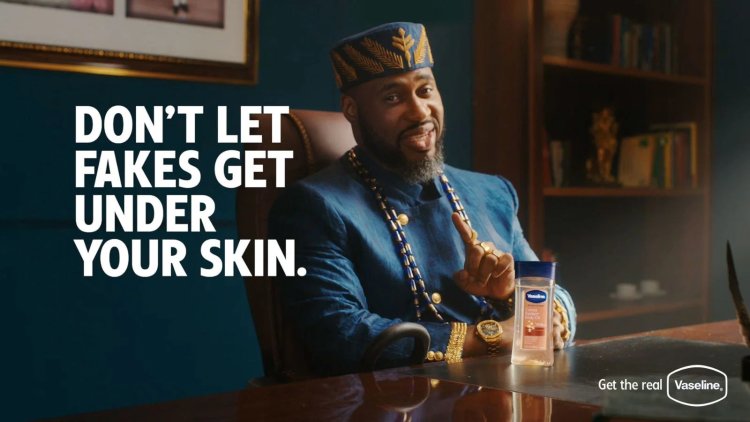
In a clever and unexpected move, Vaseline has turned one of the internet’s oldest jokes into a powerful campaign against counterfeit skincare products. By featuring a real Nigerian prince, the brand flips a long-standing scam stereotype and uses it to address a growing consumer concern, fake products in the market.
For years, the phrase “Nigerian prince” has been linked to spam emails and online fraud. It is a reference that most people recognize instantly and often dismiss with a smile. Instead of avoiding this stereotype, Vaseline leans right into it, using humor and familiarity to draw attention before delivering a serious message.
View this post on Instagram
The campaign stars Prince Chris Okagbue, a real-life Nigerian royal, who positions himself as the “real deal.” Through this narrative, the campaign draws a parallel between fake online promises and counterfeit physical products. The idea is simple. If people have learned to identify suspicious emails, they should also be equally cautious about the products they apply on their skin.
But the campaign does not stop at messaging. It goes a step further by offering a practical solution.
At the center of the initiative is a verification tool that allows consumers to check whether a Vaseline product is genuine. Built on WhatsApp, the tool enables users to upload images of product packaging and quickly receive confirmation about its authenticity. The process is designed to be simple, fast, and accessible, requiring no additional apps or complicated steps.
This is particularly relevant in markets where counterfeit products are widely circulated.
Fake skincare items not only dilute brand trust but also pose potential risks to consumers. Without proper regulation or quality checks, such products can lead to skin damage and other health concerns. While companies and authorities continue to take action against counterfeit goods, the scale of the issue makes it difficult to control entirely.
Vaseline’s campaign shifts part of that responsibility to the consumer by giving them a tool to verify products instantly.
The use of WhatsApp is a strategic choice. As one of the most widely used messaging platforms, it allows the brand to meet consumers where they already are. This increases the likelihood of adoption and ensures that the solution fits seamlessly into everyday behavior.
From a creative perspective, the campaign stands out for its use of humor to address a serious issue. By reimagining the “Nigerian prince” trope, Vaseline manages to capture attention quickly in a crowded advertising landscape. The concept feels familiar yet fresh, making it both engaging and memorable.
Once the audience is hooked, the campaign pivots to its core message about authenticity and trust.
The storytelling strikes a balance between entertainment and purpose. It avoids being overly preachy while still communicating the risks associated with counterfeit products. This approach helps the message land more effectively with a wide audience.
The campaign is being rolled out across digital platforms, retail environments, and outdoor media, ensuring that it reaches consumers at multiple touchpoints. This is especially important in influencing purchase decisions at the point of sale, where consumers are most vulnerable to picking up counterfeit goods.
From a branding standpoint, the initiative reinforces Vaseline’s commitment to consumer safety and trust. It positions the brand as proactive and responsible, not just in selling products but in ensuring that customers receive genuine and safe options.
This reflects a broader shift in how brands approach marketing today. Campaigns are no longer just about visibility or awareness. Increasingly, they are expected to provide real value and address real problems faced by consumers.
Vaseline’s campaign does exactly that by combining cultural insight with functional innovation.
By transforming a well-known internet joke into a tool for education and action, the brand has managed to create something that resonates on multiple levels. It is engaging, relevant, and useful all at once.
In the end, the campaign is a reminder that even the most familiar ideas can be reimagined in meaningful ways. By turning a symbol of deception into a symbol of trust, Vaseline is not just telling a story, it is building confidence.
And in a market where authenticity matters more than ever, that might be the most valuable message of all.