Men Disenchanted with Ads’ Outdated Masculinity Portrayals
Kantar report reveals Indian men feel misrepresented in ads, urging brands to depict authentic masculinity.
 Anureet Kaur
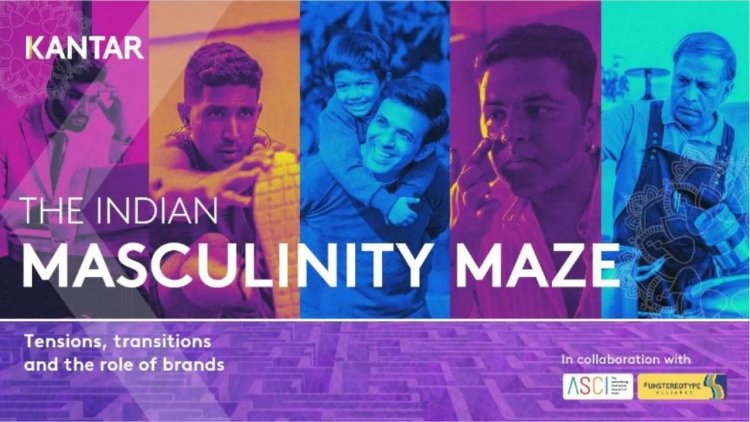
Kantar Report Reveals Indian Men’s Disconnect with Advertising Portrayals
Despite growing conversations about representation in advertising, a new report by Kantar, titled The Indian Masculinity Maze, highlights that men, especially urban Indian men aged 18 to 45, feel disenchanted with how advertising portrays masculinity. The study, which combines a nationwide survey and an audit of over 450 advertisements aired in India, reveals significant gaps between men’s realities and their depiction in media.
Study Details and Insights
The research surveyed 880 urban men across eight major Indian cities and analyzed television advertisements broadcast on more than 150 channels in 12 languages. It exposed the tensions, transitions, and opportunities brands have to authentically engage with Indian men, a crucial and demographically dynamic consumer segment.
Prasanna Kumar, Executive Vice President of Kantar’s Insights Division, co-author of the report, explained:
“This report isn’t about rewriting masculinity overnight. It’s about recognising where men are today, often caught between tradition and transition, and helping brands engage with that complexity commercially and culturally.”
Changing Realities versus Stuck Stereotypes
The research paints a picture of men managing emotional strains, expanded roles at home, and evolving self-identities. However, advertising often remains stuck in outdated depictions of men — glorifying the stoic, unemotional, and dominant provider archetype.
Some striking findings include:
- 71% of men agree that “real men don’t cry,” though many find this expectation outdated and emotionally limiting.
- 41% of Millennials and 31% of Gen Z men feel negatively represented in advertisements, far higher than older generations.
- Many men regularly suppress feelings of fear, vulnerability, and loneliness, emotions rarely acknowledged in mainstream ads.
What Advertising Gets Wrong
Kantar’s audit of over 450 TV ads uncovered a dominant reliance on antiquated masculinity tropes:
- 94% of ads reinforce traditional male roles without challenging stereotypes.
- Only 6% of male characters explicitly show respect or emotional care for women.
- Male voiceovers account for 43%, implying continued male authority in narratives.
- Despite growing male participation in household duties, only 1% of ads show men in caregiving roles.
This persistent gap widens the divide between men's lived experiences and their representation, contributing to disconnection and disenchantment.
Business Advantages of Authentic Representations
Breaking away from stereotypes is not only socially responsible but commercially beneficial:
- Advertisements portraying men as empathetic and emotionally nuanced saw a +63 point lift in long-term brand equity and a +44 point increase in short-term sales likelihood.
- Brands that perform inclusive ad testing, especially in male-targeted personal care and household categories, enjoy better cross-gender appeal and market success.
Soumya Mohanty, Managing Director & Chief Client Officer, Kantar South Asia, notes:
“Most ads still rely on outdated male stereotypes and rarely show men as emotionally involved at home. This isn’t just a cultural miss, it’s a commercial one.”
The Gen Z Perspective: A Generation in Flux
Gen Z men, in particular, navigate contradictions between traditional masculinity and increasing openness, yet ads too often caricature or ignore them:
- Over 60% believe ads overemphasize confidence, control, and appearance.
- 48% say grooming ads pressure men unduly.
- 32% find parenting roles for men underrepresented.
This generation craves genuine, multi-dimensional portrayals reflecting vulnerability alongside strength.
Industry Leaders and Initiatives
Manisha Kapoor, CEO & Secretary General of the Advertising Standards Council of India (ASCI), highlighted:
“ASCI is dedicated to progressing advertising that reflects societal realities. Our partnership with Kantar on this report reinforces the journey towards nuanced, positive male portrayals.”
Kanta Singh, interim country representative of UN Women India, added:
“Engaging all genders in narratives is vital to achieve equality. Marketers must challenge stereotypes and embrace inclusive storytelling.”
What Brands Can Do
The report advocates a proactive roadmap:
- Portray Real Lives: Depict men navigating everyday challenges like health, caregiving, and mental wellbeing.
- Normalize Shared Roles: Emotional labor and household duties should be common traits in male characters.
- Focus on Emotional Journeys: Portray men evolving, vulnerable, and reflecting real complexity.
- Test Inclusively: Include men in creative evaluation to capture reality more effectively.
- Model Contemporary Masculinity: Blend resilience with empathy, leadership with warmth and generosity.
- Explore Untapped Categories: Address male health, identity, and emotions as marketing opportunities.
Kantar’s Indian Masculinity Maze underscores a crucial cultural and commercial opportunity for brands to better represent men in a diverse, evolving society. By embracing authenticity and complexity, advertisers can build deeper emotional connections, boost brand performance, and foster a more inclusive media environment.