Amma Living Enters Wellness Market with Everyday Ayurveda and Habit-Led Approach
Amma Living enters India’s wellness market with a focus on everyday Ayurveda, promoting simple, habit-led routines for preventive health and long-term well-being.
 SociapaHQ
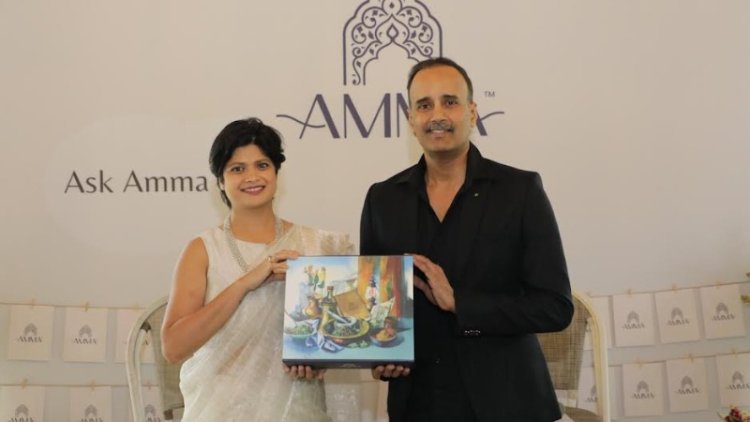
A new entrant in India’s growing preventive wellness space, Amma Living is positioning itself around a simple idea: making Ayurveda a part of daily life rather than a reactive solution. At a time when wellness routines are often seen as complex or difficult to sustain, the brand is focusing on small, repeatable habits rooted in traditional practices.
Built on the philosophy of “Amma”—a symbol of intuitive care and consistency—Amma Living is attempting to reframe Ayurveda as something lived rather than followed. Instead of positioning wellness as a structured routine or transformation journey, the brand emphasizes ease and familiarity, drawing from how Ayurvedic practices have traditionally existed in Indian households.
“Ayurveda was never something we ‘followed’ growing up. It was just how life was lived,” said Sachin Anand, Co-founder of Amma Living. “What you had in the morning, how you responded to your body, the small things you did every day. Amma Living is about bringing that ease back.”
The product strategy reflects this thinking. Rather than standalone products, the brand has introduced curated kits such as the Wellness Essentials Kit and Core Essentials Kit, designed to bundle multiple rituals into simple, daily-use formats. A Travel Kit ensures continuity for users on the move, while the Samvaad Book adds a reflective layer, encouraging users to engage more deeply with their routines.
This approach aligns with a broader shift in the wellness industry, where consumers are moving away from high-intensity, short-term solutions toward sustainable, habit-driven practices. Increasingly, wellness is being seen less as a goal and more as an ongoing process—one that fits into everyday life rather than disrupting it.
“For us, Amma is not a concept. It’s something almost everyone recognizes,” said Apoorva Agarwal, Co-founder of Amma Living. “It’s care that doesn’t feel like effort. With Amma Living, we’re trying to make wellness feel like that again—intuitive, consistent, and part of everyday life.”
From a market perspective, Amma Living’s entry reflects the continued expansion of India’s wellness economy, particularly within preventive health. As awareness around long-term well-being grows, brands are increasingly focusing on everyday consumption habits—food, routines, and lifestyle choices—rather than episodic interventions.
For brands and marketers, this signals a shift in how wellness is being positioned. Instead of aspirational messaging or complex regimens, there is a growing opportunity in simplifying wellness and embedding it into daily behavior. Cultural familiarity is also becoming a key lever, with brands tapping into traditional practices and reframing them for modern audiences.
For consumers, this could make wellness more accessible, especially for those who find structured routines overwhelming or unsustainable. However, it also raises the challenge of differentiation in a crowded category, where multiple brands are attempting to claim authenticity and simplicity.
Amma Living’s focus on habit formation and cultural grounding suggests a strategy that prioritizes long-term engagement over quick adoption. As the wellness category continues to evolve, the success of such approaches will likely depend on whether brands can translate intent into consistent consumer behavior.









/bmi/media/media_files/Ffot16wra4K3DrKeuA0L.png)