Indian Railways Tightens Ad Rules, Bans Tobacco, Alcohol and Suggestive Content
Indian Railways reinforces strict ad guidelines, banning tobacco, alcohol, and suggestive content across its network. Here’s what it means for brands and media planning.
 SociapaHQ
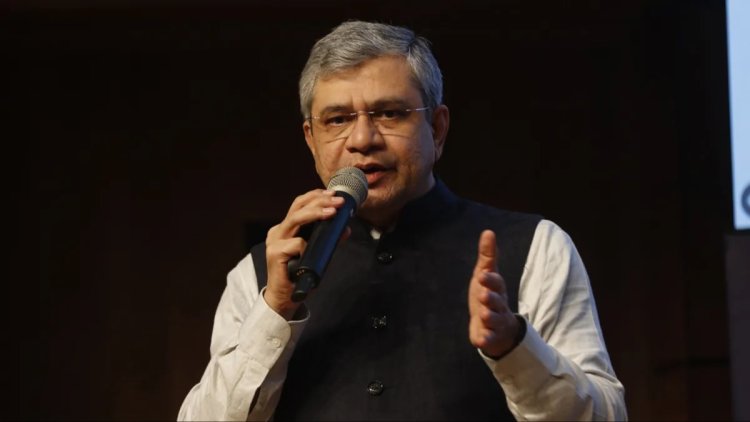
The Ministry of Railways has reaffirmed its zero-tolerance stance on “objectionable” advertising across its network, drawing a firm line on what brands can and cannot promote within one of India’s largest public media ecosystems. In a written reply to the Rajya Sabha, Union Minister Ashwini Vaishnaw clarified that advertisements related to alcoholic beverages, tobacco, and smoking products remain strictly prohibited across trains and station premises.
This comes at a time when Indian Railways is actively pushing non-fare revenue (NFR) streams, including large-scale branding and Out-of-Home (OOH) advertising opportunities. However, the Ministry has made it clear that revenue growth will not come at the cost of ethical, legal, or cultural considerations. Under existing OOH and Rail Display Network (RDN) policies, multiple categories remain off-limits across both interior and exterior railway assets.
The banned categories include controlled substances such as alcohol, cigarettes, bidis, and all forms of tobacco. Additionally, advertisements featuring erotic or sexually suggestive content are not permitted. The guidelines also extend to conflict-of-interest categories—such as private insurance policies specifically covering railway accidents—and even restrict advertising from competing modes of transport. This effectively narrows the pool of eligible advertisers for one of the country’s highest-reach media platforms.
To enforce these restrictions, the Ministry has put in place a structured oversight mechanism. All advertising proposals for train interiors must undergo mandatory pre-approval from the respective Divisional Railway Authority before execution. While advertising agencies are responsible for onboarding brands, they are also legally bound to ensure compliance with all applicable Central and State regulations. Any violation—whether in content or category—can lead to immediate removal of the advertisement, along with corrective action.
Advertising rights across the Indian Railways network are allocated through e-auctions on the Indian Railways E-Procurement System (IREPS), with bidders evaluated based on strict eligibility criteria aligned with Commercial Earnings and NFR policies. This process ensures that access to railway media inventory remains both competitive and regulated.
For brands and media planners, the update reinforces a key reality: scale does not guarantee creative freedom. Indian Railways offers unmatched reach across urban and rural audiences, but it operates within tightly defined boundaries. Categories such as FMCG, telecom, e-commerce, and financial services may continue to dominate this space, while others remain structurally excluded.
From a marketing perspective, this also highlights the importance of context in media planning. Public infrastructure—unlike private digital platforms—comes with higher scrutiny and broader audience exposure, including minors and diverse demographic groups. As a result, regulatory frameworks tend to be more conservative.
For consumers, these restrictions contribute to a more controlled and potentially less controversial advertising environment in shared public spaces. However, it also raises questions around evolving cultural norms and whether such frameworks will adapt over time as consumer sensibilities shift.
Ultimately, Indian Railways is positioning itself as a high-reach yet high-responsibility advertising platform—where monetization opportunities exist, but within clearly defined guardrails that prioritize public interest over commercial flexibility.