YouTube Expands Creator Tools, Boosts Monetization, Tightens Safety Measures Globally
YouTube introduces major updates to creator tools, monetization, and safety, including larger thumbnails, AI tools, and global partnerships. Here’s what it means for brands and creators.
 SociapaHQ
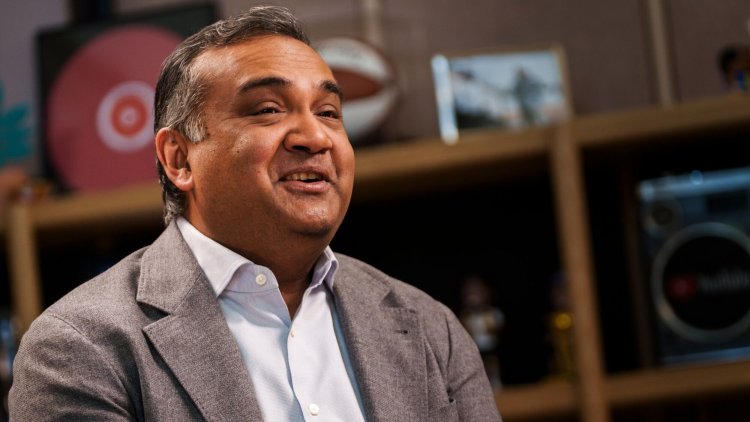
YouTube is rolling out a broad set of updates aimed at reshaping how creators produce, monetize, and distribute content—while also strengthening platform safety. Announced by CEO Neal Mohan, the changes reflect a clear push toward making the platform more creator-first, commerce-driven, and globally adaptive.
One of the most noticeable updates is visual. YouTube has increased the thumbnail file size limit from 2MB to 50MB, giving creators significantly more flexibility in image quality and design. Alongside this, localized thumbnails are being introduced, allowing creators to customize visuals for different regions. This signals a deeper investment in personalization—where the same video can now “look different” depending on who’s watching and where they’re located.
On the creation side, YouTube is doubling down on AI and tooling. Expanded access to its web-based Effect Maker—now integrated with Veo 3—suggests a future where advanced visual effects become more accessible to everyday creators. The addition of NanoBanana to the YouTube Create app further simplifies editing workflows, especially for mobile-first users. Meanwhile, a new grid layout for Shorts in mobile search is designed to improve discoverability, aligning Shorts more closely with how audiences already browse platforms like TikTok and Instagram.
Monetization is another major focus. YouTube is expanding access to its Shopping Affiliate program, allowing more creators to earn directly through product recommendations. The launch of the YouTube Creator Partnerships suite is equally significant—it aims to streamline brand collaborations, making it easier for creators and advertisers to work together without heavy intermediaries. This move positions YouTube not just as a content platform, but as a full-stack creator economy ecosystem.
Globally, YouTube is leaning into scale and cultural moments. Its partnership with FIFA around the World Cup highlights its ambition to own major global events digitally, while the rollout of “Gifts and Jewels” for vertical live streams in South Korea shows how the platform is testing monetization features in high-engagement markets before wider expansion.
At the same time, YouTube is investing in safety and trust—an increasingly critical area as content scales. The platform has committed $20 million to a global teen wellbeing program, addressing concerns around screen time, mental health, and online exposure. It is also expanding its likeness detection technology to protect high-risk individuals such as government officials, journalists, and political candidates from identity misuse and deepfake-style manipulation.
For brands and marketers, these updates signal a clear shift. YouTube is evolving from a video platform into a hybrid of entertainment, commerce, and infrastructure. Better thumbnails and localization tools mean more competition for attention. Enhanced creator tools lower the barrier for high-quality content, increasing content volume. And expanded monetization options indicate that influencer marketing will become more embedded within the platform itself, rather than relying on external deals.
For consumers, the experience becomes more tailored, more shoppable, and potentially more immersive. But it also raises questions about how content authenticity and safety will be maintained at scale.
Ultimately, YouTube’s latest updates reflect a balancing act—between growth and responsibility, creator freedom and platform control, monetization and user trust. The direction is clear: the future of YouTube is not just about watching videos, but participating in an ecosystem where content, commerce, and culture are tightly intertwined.