Pepsi taps Gen Z energy with Panday Padda campaign play
Pepsi onboarded Ahaan Panday and Aneet Padda to drive youth engagement through a playful campaign blending entertainment, mystery, and culture-led storytelling for digital-first audiences.
 Anupriya
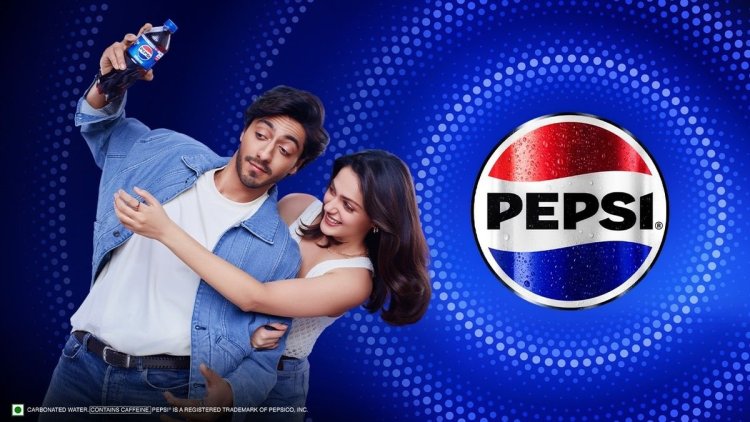
In its latest move to stay culturally sharp and youth-first, Pepsi has rolled out a campaign featuring fresh faces Ahaan Panday and Aneet Padda. But instead of going loud and predictable, the brand chose to build intrigue, turning a simple campaign into a social media guessing game.
The rollout began with teasers hinting at a “big trailer launch,” sparking curiosity online. Fans speculated, content pages picked it up, and the buzz started to build. For a moment, it felt like a new entertainment drop was around the corner. But the twist came in the reveal. The “trailer” turned out to be a Pepsi-branded vanity van, flipping expectations and delivering a clever punchline.
View this post on Instagram
This approach highlights how Pepsi continues to evolve its storytelling. Rather than pushing a straightforward advertisement, the brand creates moments that unfold gradually. It builds curiosity first, invites audiences to engage, and then delivers a reveal that feels rewarding.
View this post on Instagram
The casting of Ahaan Panday and Aneet Padda plays a key role here. Both represent a new wave of talent that connects strongly with younger audiences. Their presence brings freshness and relatability, helping the campaign feel less like a traditional ad and more like content people would naturally consume.
What works in the campaign’s favor is the chemistry between the two. Their interactions feel casual and unscripted, adding to the authenticity of the storytelling. It aligns perfectly with how Gen Z prefers content today, real, unfiltered, and engaging rather than overly polished.
The campaign is also designed with a digital-first mindset. Instead of relying on a single film, it unfolds across multiple touchpoints. Teasers, reveals, and short-form content pieces all contribute to a larger narrative, encouraging audiences to stay engaged throughout.
From a strategic lens, this is not just about storytelling but also about staying relevant in a cluttered media landscape. With attention spans shrinking and content overload becoming the norm, brands need to create experiences rather than just messages. Pepsi’s approach ensures it becomes part of conversations rather than background noise.
There is also a strong product integration within the campaign. The duo is seen promoting Pepsi’s 400 ml bottle priced at ₹20, keeping the communication simple and accessible while maintaining a playful tone. The product remains visible, but it does not overpower the narrative.
Beyond the campaign mechanics, there is a deeper cultural insight at play. Young audiences today enjoy being part of the story. They like decoding clues, sharing theories, and participating in the build-up. By tapping into this behavior, Pepsi turns passive viewers into active participants.
This strategy also reflects the brand’s long-standing ability to stay in tune with youth culture. Over the years, Pepsi has consistently aligned itself with emerging trends, voices, and formats. The onboarding of new-age faces like Panday and Padda is a continuation of that legacy.
Of course, campaigns built on mystery and reveal come with risks. If the payoff does not match the build-up, the audience can lose interest quickly. But when executed well, they create memorable moments that travel organically across platforms.
In this case, Pepsi seems to have struck the right balance. The campaign is playful without being confusing, engaging without being overwhelming, and strategic without feeling forced.
In the end, this is more than just a celebrity-led campaign. It is a reminder that in today’s advertising landscape, how you tell the story matters as much as what you are saying.