Parle-G Taps Bihu Culture With Music-Led Campaign Rooted in Community and Emotion
Parle-G’s Bihu campaign uses music and storytelling to connect with Assam’s cultural identity, highlighting a shift toward deeper regional narratives in advertising.
 SociapaHQ
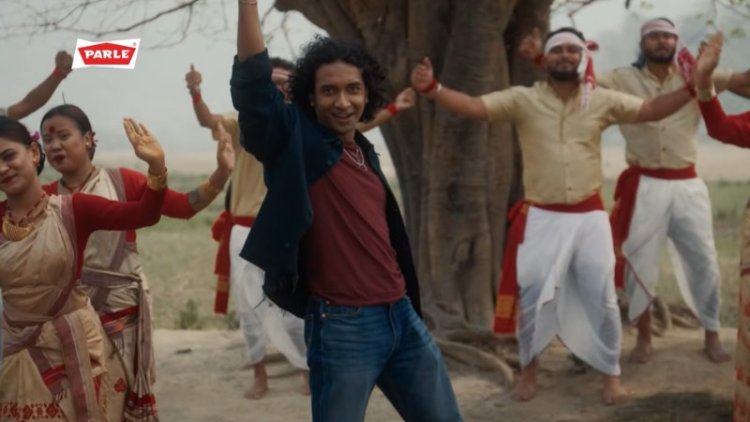
In Assam, Bihu is not just a festival but a cultural ecosystem of music, dance, and shared identity. Parle-G’s latest campaign leans into this reality, using a two-part storytelling approach to connect with audiences through authenticity rather than traditional advertising formats.
The campaign begins with a prequel—a two-and-a-half-minute Bihu music video that functions more as a cultural piece than a branded film. Featuring Assamese actor Partha Hazarika, with music by Nilotpal Bora and vocals by Dikshu, the video focuses on the sound and spirit of Bihu. Its tonality and composition triggered a strong nostalgic response, with many viewers drawing comparisons to Zubeen Garg, a defining voice in Assam’s music landscape.
That response translated into scale. Within a week of release, the video recorded over 7 million views on YouTube and 5 million on Instagram, indicating strong regional resonance and shareability. For Parle-G, this early traction set the stage for the second phase of the campaign.
The main film shifts from performance to narrative. It follows Ahir, a musician struggling to compose a Bihu song within a studio setting. The storyline moves him out of that controlled environment into Assam’s natural and cultural landscape, eventually bringing him to the banks of the Brahmaputra River. There, a boatman—played by Sagar Neil—offers a simple but central idea: Bihu cannot be created in isolation; it has to be experienced among people and in open spaces.
The film then traces Ahir’s journey through forests and into a community celebration, where he reconnects with the rhythm he was trying to manufacture. The storytelling aligns with Parle-G’s long-standing brand thought, “Jo auron ki khushi mein paaye apni khushi,” positioning shared joy as both a cultural and emotional anchor.
Mayank Shah, Vice President at Parle Products, framed the campaign through this lens, stating that Bihu represents a form of happiness rooted in community participation. He added that the narrative of the boatman helping the musician—without expectation—captures the core idea that giving joy is inseparable from receiving it.
From a marketing standpoint, the campaign reflects a broader shift in how brands approach regional storytelling. Instead of adapting a national message for local markets, Parle-G builds the narrative from within the culture itself. The decision to lead with a music-first prequel, followed by a story-driven film, also shows a layered content strategy—one that prioritizes emotional entry before brand messaging.
For media and advertisers, the campaign highlights the growing importance of cultural specificity. Regional audiences are responding more strongly to content that reflects their lived experiences rather than generic festive communication. Music, in particular, continues to be a powerful entry point, especially when it taps into existing emotional memory and identity.
For consumers, the campaign works by mirroring familiar truths rather than introducing new ones. It does not attempt to reinterpret Bihu but instead reinforces what it already represents—community, openness, and shared celebration.
In a landscape where festival marketing often leans on scale and visibility, Parle-G’s approach is more restrained. It focuses on depth—using culture not as a backdrop, but as the story itself.