OpenAI’s GPT-5 Debuts With Creative Breakthroughs and Early Glitches
OpenAI’s GPT-5 launch brings unmatched creativity and personalisation, but early glitches spark mixed reactions, prompting agencies to balance innovation with the proven reliability of GPT-4.
 Sumit Rawat
OpenAI’s GPT-5 Launch Blends Creativity, Personalisation and Early Growing Pains
OpenAI’s highly anticipated GPT-5 launch was billed as the moment generative AI would move from impressive to indispensable. Instead, its first week brought both dazzling capabilities and frustrating glitches, leaving the marketing and creative industries divided.
In its early hours, GPT-5 wowed users with pitch-perfect ad copy, polished pitch decks, and long-form content that read like it had been crafted by top-tier editorial teams. But the praise quickly collided with screenshots of hallucinated numbers, invented references, and abrupt tonal shifts. One creative director quipped it was like “having the best copywriter in the world who occasionally writes surrealist poetry mid-brief.”
Industry reactions split almost instantly. Developers and AI advocates celebrated GPT-5’s sharper coherence over long text, improved context retention across sessions, and multimodal abilities to process everything from product images to moodboards. Marketers noted its potential to instantly generate campaign drafts tailored to specific audiences. Critics, however, flagged instability and factual errors as risks for compliance-heavy sectors like finance and healthcare.
Jacob Joseph, VP – Data Science at CleverTap, described GPT-5 as “a measured but meaningful leap” for marketers, citing six times fewer factual errors compared to earlier versions and its ability to adapt to complex workflows—from summarising assets to interpreting campaign videos.
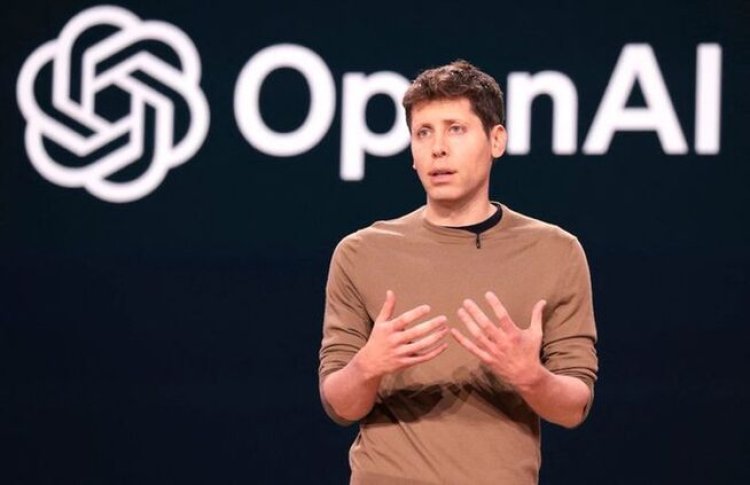
OpenAI CEO Sam Altman intervened after the uneven rollout, promising users continued access to GPT-4o until GPT-5 stabilises. For agencies with ongoing GPT-4-based campaigns, it was a relief.
When functioning at its best, GPT-5 offers broader creative range, sharper brand-tone mimicry, and hyper-granular personalisation. Marketers can feed it audience segments enriched with behavioural cues to produce copy aligned not just with demographics, but inferred moods and past engagement. Its long-form storytelling capabilities also reduce time spent piecing together drafts.
The model’s multimodal features compress campaign ideation timelines dramatically—turning a two-day creative sprint into hours. Yet, as strategists warn, speed without brand safeguards risks generic or off-brand messaging.
Many agencies are now blending GPT-5 into ideation while keeping GPT-4 as the production workhorse, even creating “AI switchboards” to route tasks to the most suitable model.
The launch underscores a familiar truth in tech adoption: innovation and reliability rarely arrive in lockstep. GPT-5’s potential for richer personalisation and faster development is undeniable, but so is the need for trust. Whether it becomes the industry standard or simply a stepping stone will depend as much on marketers’ adaptability as on OpenAI’s ability to deliver on its promises.