Fox Sports Builds World Cup Fever With Bold “What If” Fantasy
Fox Sports launches “Miracle”, a campaign imagining a US World Cup win to build belief ahead of 2026.
 SociapaHQ
With just over a month to go before the FIFA World Cup 2026 kicks off on 11 June, Fox Sports is leaning into something sport understands better than most industries: belief that defies logic.
Its latest campaign, titled “Miracle”, does not just promote the tournament. It constructs a scenario where the improbable becomes real. The film imagines the U.S. Men’s National Team winning the World Cup on home soil, a feat the team has never achieved.
Also Read: FIFA Rejects $20 Million JioStar Bid for 2026 World Cup Broadcast Rights in India
Fantasy Peaks:
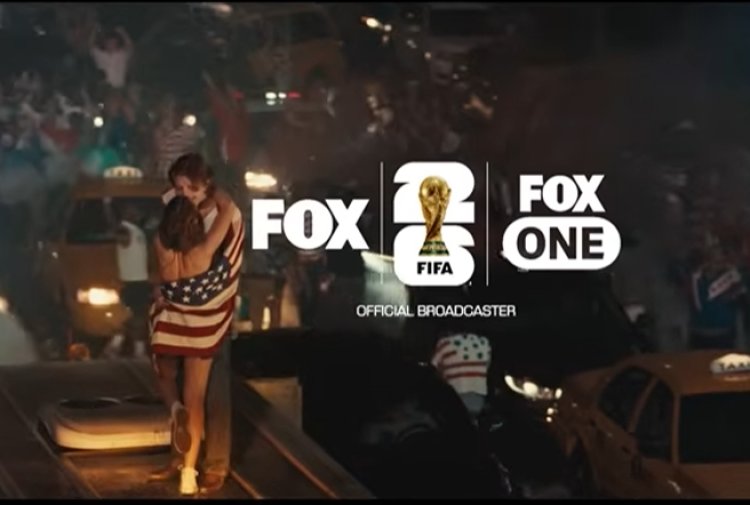
The setup is intentionally simple. In the 97th minute of a fictional final against Brazil in New Jersey, Christian Pulisic delivers a decisive corner. The ball hits the net, and the country erupts. Bars fall silent before exploding into cheers. Living rooms turn into stadium-like scenes. Times Square becomes a site of collective release.
From there, the narrative stretches further. Tim Weah appears as a cultural icon on bedroom walls. Weston McKennie replaces historical figures on dollar bills. Tyler Adams takes over billboards. In one surreal moment, Tom Brady shaves Zlatan Ibrahimović’s head to settle a bet.
The exaggeration is deliberate. Backed by Elvis Presley’s “The Impossible Dream”, the film leans into fantasy while acknowledging its own absurdity. The turning point comes at the end, when Mike Eruzione, captain of the 1980 “Miracle on Ice” team, delivers the line: “You do not believe in miracles?”
The ad then cuts back to reality, where two friends debate the team’s chances. The message becomes clear. The miracle is not the win. It is the willingness to imagine it.
Selling Belief Before Kickoff:
Created by Fox Sports Marketing with Special US and directed by Lance Acord, the campaign arrives at a time when the tournament itself is expanding to 48 teams and will be hosted across the United States, Canada, and Mexico, with the final scheduled for 19 July.
For brands and broadcasters, the strategy is notable. Instead of focusing on statistics or team form, the campaign taps into narrative building. It positions the World Cup not just as a sporting event, but as a shared cultural moment driven by possibility.
The underlying reality remains unchanged. The U.S. has never won a World Cup, and even a deep run would be significant. But tournaments are as much about stories as results. And stories, as this campaign suggests, can begin before the first whistle.