Connected TV: The Future of Advertising in India
Connected TV blends TV’s reach with digital targeting, revolutionizing advertising for brands and audiences in India.
 Anureet Kaur
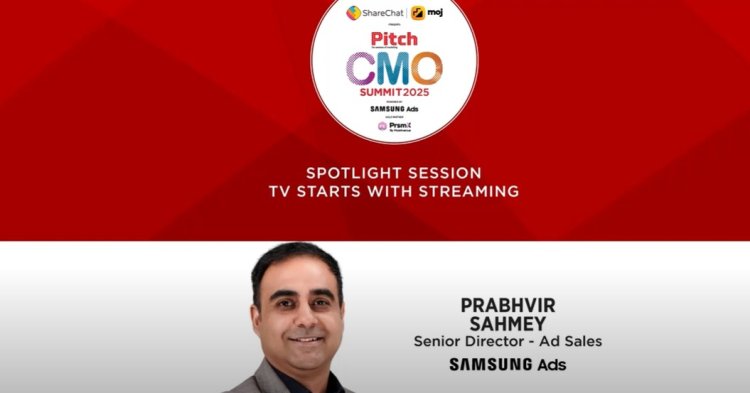
India’s living rooms are changing fast. Gone are the days when TV meant only cable channels and set schedules. Now, Connected TV (CTV) is taking center stage, offering viewers endless choices and brands a powerful new way to reach audiences. At the recent Pitch CMO Summit 2025, Prabhvir Sahmey, Senior Director - Ad Sales at Samsung Ads, explained why CTV is the “best of both worlds”—combining the massive reach of traditional TV with the precise targeting of digital media1.
What is Connected TV?
Connected TV refers to televisions that can connect to the internet, allowing users to stream content using apps like Netflix, YouTube, and Disney+ Hotstar. It’s not just about watching shows; it’s about interactive, on-demand experiences. CTVs are now in millions of Indian homes, and the number is growing rapidly.
The Big Shift: From TV to “Big Screen”
Today’s viewers, especially younger generations like Gen Z and Gen Alpha, don’t call it “TV” anymore—they call it the “big screen”1. The average Indian home is upgrading to larger, smarter TVs, with 55-inch screens or bigger becoming the new normal. These screens are not just for entertainment; they’re for gaming, health content, and even shopping.
Why Are Brands Excited About CTV?
CTV offers advertisers unique advantages:
- Massive Reach: India has nearly 225 million TV households, and CTV is the fastest-growing segment, expanding at over 40% year-on-year.
- Precise Targeting: Unlike traditional TV, CTV lets brands target specific audiences based on interests, location, and viewing habits.
- Data-Driven Insights: Technologies like Automatic Content Recognition (ACR) allow brands to know what content is being watched—without compromising user privacy—so they can measure campaign impact more accurately.
- High Engagement: Indians spend an average of six hours per day watching TV, with 36–40 hours per month on average, showing strong engagement.
Changing How Ads Are Made and Seen
CTV is not just about showing ads; it’s about showing the right ads to the right people. Brands now use longer, high-quality video ads (15–20 seconds or more), which work better on big screens than the short clips common on mobile devices. With CTV, advertisers can also control how often viewers see their ads, helping build brand recall and avoid ad fatigue.
Real Results: Campaign Success Stories
Samsung Ads has run successful CTV campaigns for brands like RuPay, Garnier, and British Airways. For example, a RuPay campaign reached 2.3 million devices and delivered nearly 11 million impressions, demonstrating the scale and effectiveness CTV can offer.
The Power of Content Discovery
One challenge with so much content is “choice fatigue”—viewers spend more time deciding what to watch than actually watching. To solve this, Samsung launched Samsung TV+, a free, ad-supported streaming service with over 140 channels in India. It’s now the second-most used app on Samsung TVs, making it easy for viewers to find something to watch and for brands to reach engaged audiences right from the moment the TV is turned on.
The CTV Boom: Numbers Tell the Story
- Ad Revenue Growth: India’s CTV ad revenue is expected to reach ₹2,500 crore by the end of 2025, growing 35% in 2024 alone.
- Household Penetration: The number of CTV households could hit 60 million by the end of 2025—a fourfold jump from 2020.
- Mainstream Adoption: What started as a niche is now a mainstream medium for marketers, thanks to affordable smart TVs and better internet access, even in smaller cities.
The Road Ahead
CTV is changing how brands think about advertising. It offers the scale of traditional TV and the precision of digital, making it a must-have in every media plan. As Sahmey puts it, “CTV is not just a medium. It’s a data-rich canvas for brand building”1. With more brands and viewers embracing CTV, the future of advertising in India looks smarter, more engaging, and more effective than ever.