Sunfeast Dark Fantasy Faces Backlash; Ad Withdrawn After Food Pharmer’s Powerful Critique
Sunfeast Dark Fantasy’s ad suggesting chocolate replacing vegetables in kids’ lunchboxes sparked outrage, leading to its quick withdrawal after health advocate Food Pharmer’s intervention.
 Sandhya
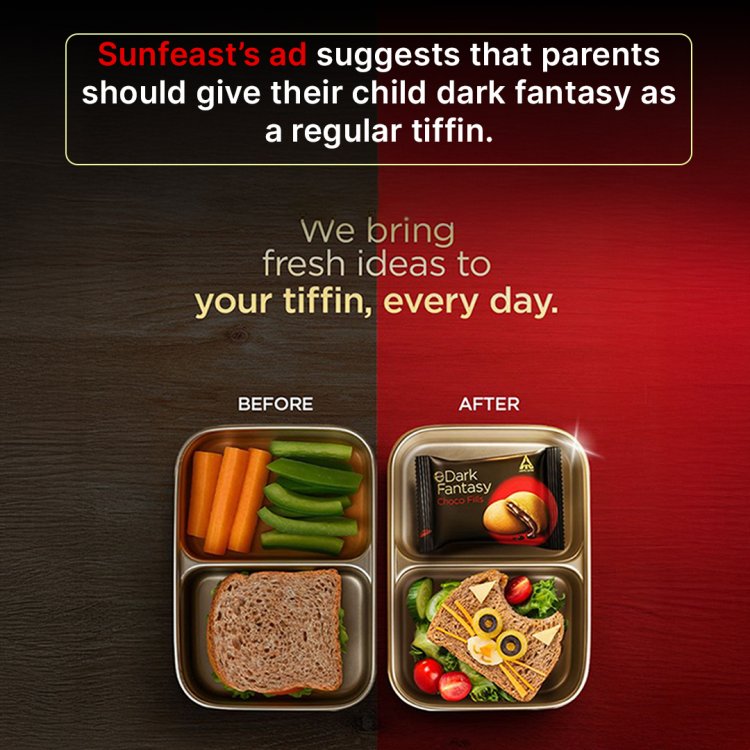
In an era where responsible advertising is more crucial than ever, one recent campaign by ITC’s Sunfeast Dark Fantasy fell abruptly into controversy. The brand faced public backlash and swiftly withdrew its advertisement after it was criticized for allegedly sending a misleading message. The ad was pulled back within 12 hours following a direct call-out from renowned health advocate Revant Himatsingka, popularly known as “Food Pharmer.”
The Ad That Raised Eyebrows
The Sunfeast Dark Fantasy ad featured a chocolate-filled biscuit, “Dark Fantasy Choco Fills,” positioned in a way that many viewers felt implied it could substitute vegetables in children's lunchboxes. This creative choice sparked alarm amid nutritionists and conscious consumers alike. The ad showed the biscuit inside a sandwich alongside vegetables, sending a problematic message suggesting kids could be served this indulgence instead of real vegetables in their tiffin.
View this post on Instagram
Food Pharmer's Steadfast Critique
Revant Himatsingka, a vocal watchdog of food marketing known for his tough stance on misleading claims, issued a sharp critique on Instagram. Calling out the ad’s implication, he pointed out that the chocolate biscuit primarily contains sugar, palm oil, refined flour, and hydrogenated vegetable oil- far from nutritious vegetables. In his post, Himatsingka emphasized, “The only ‘vegetable’ in this product is hydrogenated vegetable oil.”
He affirmed his campaign is not against chocolate or any company, but it is a fight for responsible advertising. Himatsingka’s post urged Sunfeast to either withdraw the ad or face public disapproval, stating, “My fight is not against any company. My fight is for responsible advertising."
View this post on Instagram
The Brand’s Swift Response
ITC’s Sunfeast was quick to respond, recognizing the potential for misinterpretation. The company issued a statement clarifying that the ad’s intent was not to replace vegetables but to present them in an exciting and engaging sandwich format. The statement read, "Sunfeast Dark Fantasy as a brand is about making Tiffin interesting for everyone. The objective was to show veggies included in a fun way rather than being replaced."
Acknowledging the risk of misunderstanding, Sunfeast announced the immediate withdrawal of the ad from their social media platforms and worked to remove it from the publisher’s servers. This move was seen as a responsible acknowledgment of the viewers' concerns and the importance of clear messaging in food marketing.
Public and Industry Reactions
The withdrawal of the campaign drew widespread praise, especially from Food Pharmer himself, who lauded Sunfeast for its prompt and responsible action. However, his praise soon expanded into a broader critique of food and drink companies' marketing tactics. In statements following the campaign removal, Himatsingka warned companies about the consequences of irresponsible advertising and challenged them to prioritize ethical communication.
“I want to send a message to all companies. The next time I make a video on you, you have two options: either follow what Sunfeast did and remove your ads or send me a legal notice. I will fight and make sure you regret it,” he declared strongly in one of his social media posts.
Context on Food Pharmer’s Influence
Revant Himatsingka has built a notable presence as “Food Pharmer,” dissecting food labels and exposing misleading marketing in India’s food industry. He gained particular recognition for challenging the sugar content in major brands like Cadbury Bournvita and pressing for regulatory reforms to protect consumer health. His vigilance keeps a spotlight on companies that blur the lines between indulgence and nutrition, particularly when children are the target audience.
Marketing Challenges: Balancing Creativity with Responsibility
This incident highlights a delicate balance that marketers face: how to creatively position indulgent products like chocolate biscuits without crossing into misleading or harmful messaging, especially where children are concerned. The use of visuals implying a product as a lunchbox staple can evoke associations with balanced nutrition, even if not explicitly claimed. As consumers and regulators become more vigilant, brands have to tread carefully to maintain trust without compromising creative appeal.
Sunfeast Dark Fantasy and Its Legacy
Sunfeast Dark Fantasy, known for innovative campaigns and its association with Bollywood superstar Shah Rukh Khan, enjoys a strong following in India. The brand often promotes indulgence and fantasy through imaginative storytelling, aiming to make tiffin time joyful. However, this recent campaign demonstrates that even well-loved brands can face sharp criticism if the core message conflicts with public health priorities.
Key Takeaways for Food Brands
The rapid fallout from the Sunfeast ad serves as a cautionary tale for advertisers: social media scrutiny and vocal advocates can significantly impact brand reputation. Transparency and responsible messaging are no longer optional but essential. As Mr. Himatsingka’s stance underlines, consumers increasingly demand advertising that respects their intelligence and prioritizes genuine wellbeing.
In conclusion, the Sunfeast Dark Fantasy ad episode reaffirms that in advertising- and especially when children and health are involved- brands must balance creativity with strict ethical considerations. The power of public voices like Food Pharmer’s can steer brands towards more thoughtful and responsible communication, creating healthier dialogue around food choices in society.