Matcha Craze Sweeps India’s Aesthetic and Wellness Scene
Matcha’s rise in India blends wellness, beauty and lifestyle, redefining café culture and sparking new trends in food, skincare and design.
 Anureet Kaur
Matcha: More Than Just Tea—India’s New Aesthetic Obsession
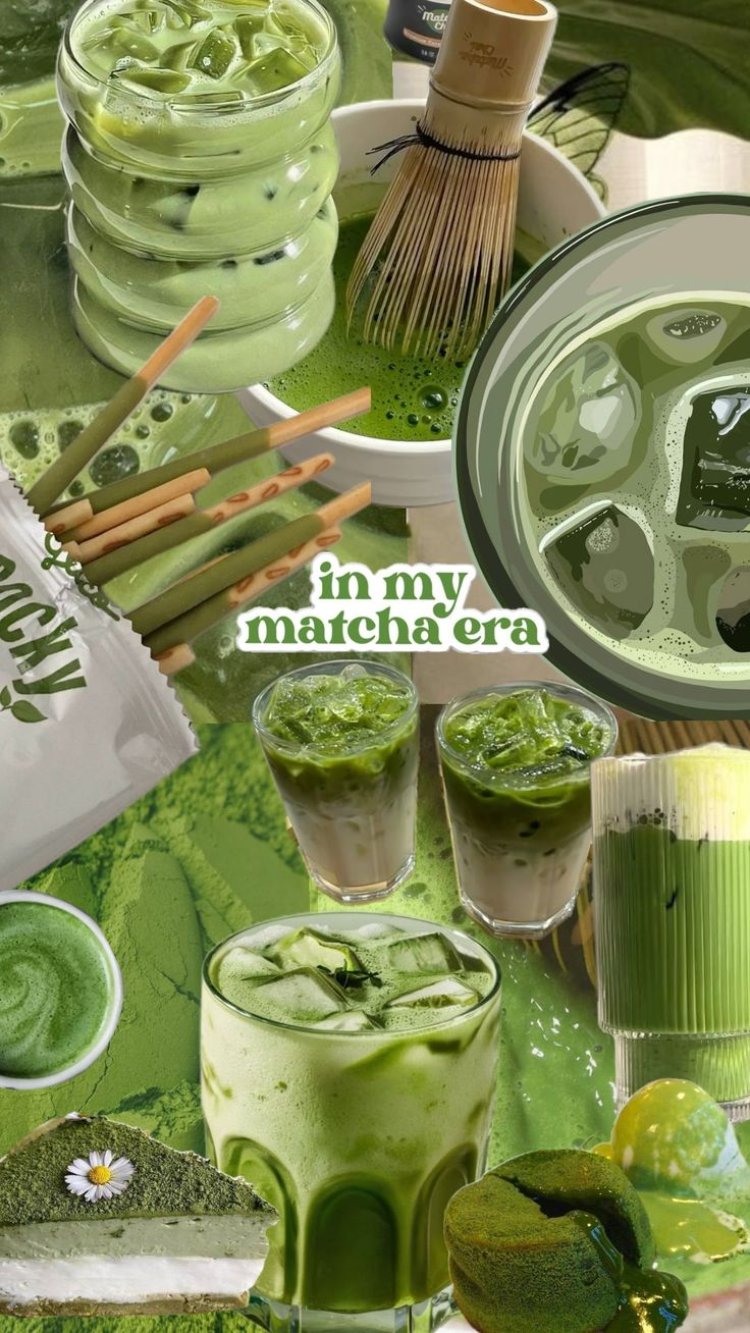
India’s urban landscape is witnessing a vibrant green revolution and it’s not about leafy vegetables—it’s all about matcha. Once a niche Japanese tea, matcha has rapidly become the darling of India’s aesthetic economy influencing everything from café menus and skincare routines to Instagram feeds and interior design choices.
The Matcha Wave: From Tokyo to Mumbai
Matcha, a finely ground powder of specially grown and processed green tea leaves, is celebrated for its health benefits and unique umami flavor. But in India, its appeal now goes far beyond wellness. Cafés in Mumbai, Delhi and Bengaluru are serving up matcha lattes, matcha cheesecakes and even matcha-infused croissants, all designed to catch the eye and the camera.
The drink’s vibrant green hue has made it a favorite among social media influencers and food bloggers who see matcha as a symbol of modernity, mindfulness and aspirational living. The result? A surge in matcha-themed pop-ups, specialty brands and even matcha-inspired home décor.
Why Is Matcha So Popular in India?
- Health Halo: Matcha is rich in antioxidants (especially EGCG), boosts metabolism and provides a gentle caffeine lift without the jitters of coffee.
- Aesthetic Appeal: Its bright green color is visually striking, making it a hit on Instagram and other social platforms.
- Versatility: Matcha is used in drinks, desserts, breakfast bowls and even beauty products.
- Cultural Cool: Drinking matcha signals a connection to global trends and a mindful lifestyle.
The Rise of Matcha Cafés and Brands
Growth in Matcha Product Launches in India (2020-2025)
Over the past five years, India has seen a boom in matcha-centric cafés and D2C (direct-to-consumer) brands. Brands like The Matcha House, Blue Tokai and local artisanal startups are offering everything from ceremonial-grade matcha to ready-to-drink matcha beverages and DIY kits.
Cafés are not just selling a beverage—they’re selling an experience. Minimalist interiors, green-themed décor and curated playlists create a calming “zen” atmosphere that appeals to young professionals and students seeking both relaxation and a touch of luxury.
Growth in matcha-related product launches has been especially dramatic since 2020, reflecting the trend’s rapid acceleration.
Beyond the Cup: Matcha in Beauty and Design
The matcha trend isn’t limited to food and drink. Beauty brands are launching matcha-infused face masks, scrubs, and serums, touting its anti-inflammatory and detoxifying properties. Interior designers, too, are embracing “matcha green” as a color of choice for accent walls, kitchenware, and even furniture, reflecting the broader “aesthetic economy” where wellness and visual appeal go hand in hand.
The Social Media Effect
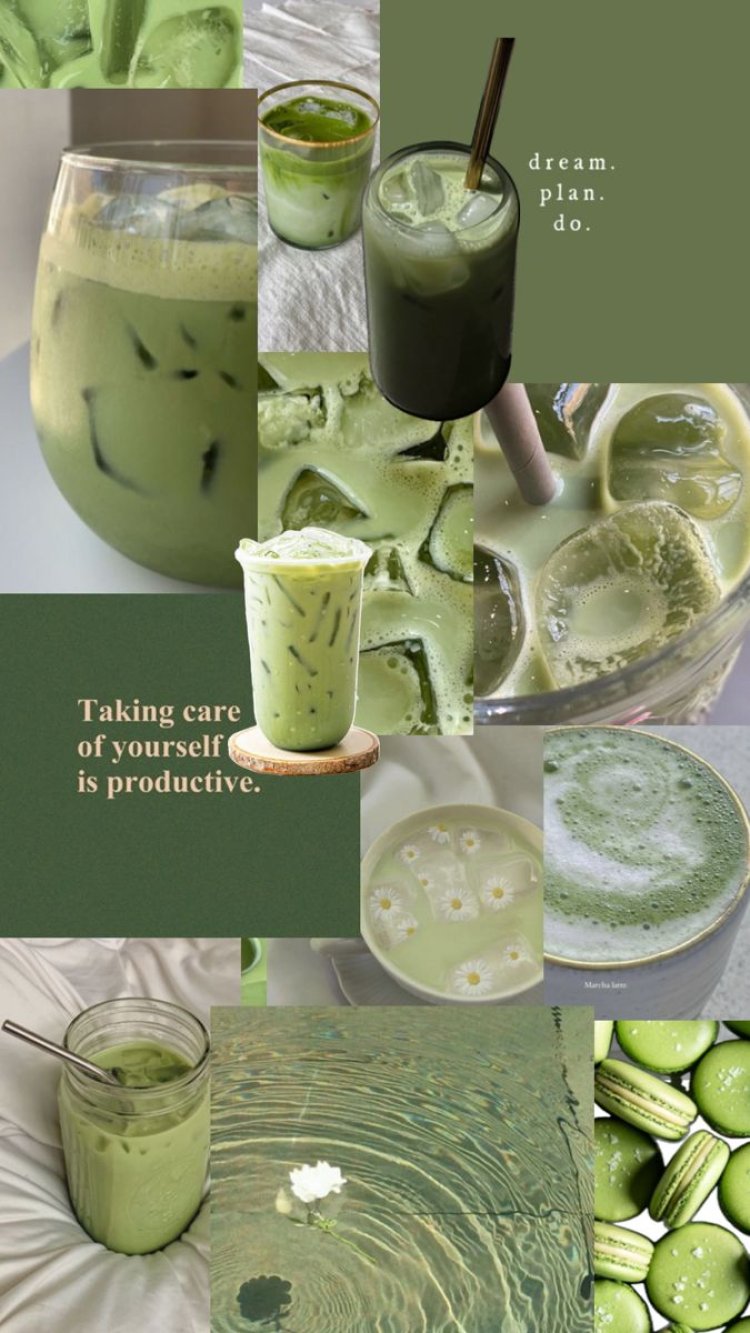
Instagram and YouTube have played a huge role in driving matcha’s popularity. Influencers post reels of whisking matcha pouring lattes, and unboxing matcha skincare products often highlighting the ritualistic and calming aspects of the drink. For many young Indians, matcha is now as much about self-care and creativity as it is about taste.
Is Matcha Here to Stay?
Industry experts believe matcha’s popularity will continue to grow. Its blend of wellness, visual appeal, and versatility makes it a perfect fit for India’s evolving consumer culture which values health, experience, and shareable moments. As more brands innovate with matcha in food, beauty, and lifestyle products, the trend is poised to become a staple rather than a passing fad.
Final Thoughts
Matcha’s journey from a traditional Japanese tea ceremony to India’s trendiest cafés and beauty counters is a testament to the country’s appetite for global trends that blend health, style, and self-expression. Whether you’re sipping a matcha latte, applying a matcha face mask, or painting your kitchen “matcha green,” one thing is clear: this is more than just tea—it’s a lifestyle movement.