Flipkart Turns Ugadi Debate Into Shopping Celebration Across South
Flipkart’s Ugadi campaign plays on the Ugadi versus Yugadi pronunciation debate, turning cultural nuance into an interactive festive shopping experience across southern India.
 Sandhya
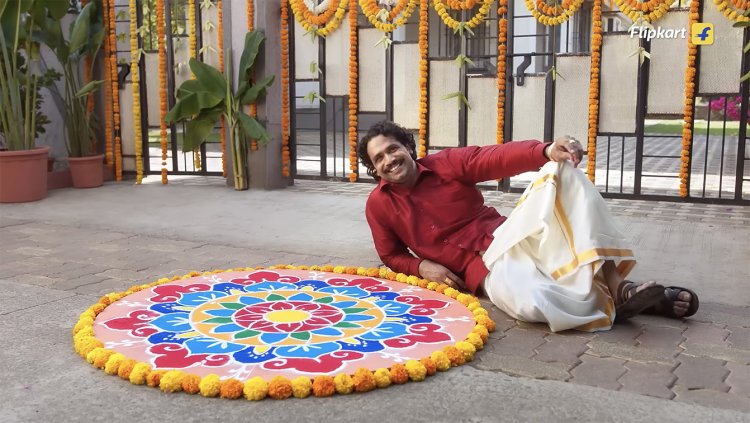
In India, even a festival name can spark a debate. Flipkart’s latest Ugadi campaign taps into this cultural nuance, turning a simple pronunciation difference into a creative and engaging festive narrative.
Celebrated across Andhra Pradesh, Telangana, and Karnataka, the festival is known as “Ugadi” in some regions and “Yugadi” in others. While the difference may seem minor, it carries strong regional identity and pride. Instead of settling the debate, Flipkart leans into it, transforming it into the central idea of its campaign.
The campaign film captures this dynamic through a lighthearted exchange between people from different regions, each confidently defending their version of the festival’s name. The tone remains playful and relatable, highlighting how such debates are often rooted in affection rather than conflict. As the conversation unfolds, the focus shifts from who is right to what truly matters—the shared joy of celebration.
This approach allows Flipkart to connect with audiences on a cultural level rather than just a commercial one. By acknowledging regional differences and celebrating them, the brand creates a sense of inclusion that feels both genuine and thoughtful.
What sets the campaign apart is how it extends beyond storytelling. Flipkart integrates an interactive layer that encourages users to participate in the conversation. Consumers can engage with the campaign by choosing their preferred pronunciation and unlocking festive deals, turning a cultural discussion into an immersive shopping experience.
This blend of culture and commerce reflects a broader shift in e-commerce marketing. Today, brands are moving beyond transactional messaging and focusing on creating meaningful connections. Festivals are no longer just occasions for discounts—they are opportunities to engage with consumers through stories that resonate with their identities and traditions.
The campaign also highlights the importance of hyperlocal marketing in a diverse country like India. Language, culture, and regional nuances play a significant role in how messages are received. By tailoring its communication to reflect these nuances, Flipkart strengthens its presence in key southern markets while making its messaging feel more personal.
Another interesting aspect of the campaign is its refusal to take sides. By not declaring one pronunciation as correct, Flipkart avoids alienating any audience segment. Instead, it embraces diversity, reinforcing the idea that multiple perspectives can coexist. This inclusive approach aligns well with the brand’s larger positioning as a platform for everyone.
Visually and tonally, the campaign keeps things simple and engaging. The focus remains on relatable conversations and everyday scenarios, making it easy for viewers to connect with the narrative. The humour is subtle, driven by familiarity rather than exaggeration.
From a strategic standpoint, the campaign is well-timed. Festive periods are crucial for e-commerce platforms, driving significant traffic and sales. By anchoring its messaging in a culturally relevant insight, Flipkart ensures that it stands out in a cluttered festive advertising landscape.
At a deeper level, the campaign captures an essential truth about Indian festivals. While customs and names may vary across regions, the emotions behind them remain universal. Celebration, togetherness, and the joy of sharing moments are constants that transcend differences.
By building its campaign around this insight, Flipkart moves beyond traditional advertising. It creates a moment that feels authentic, engaging, and rooted in real life.
Because sometimes, it is not about whether you say Ugadi or Yugadi.
It is about how you celebrate it.