Uniqlo Owner Fast Retailing Raises Full-Year Profit Forecast
Fast Retailing, the parent company of Uniqlo, reported a 45.7% rise in quarterly operating profit and raised its full-year earnings forecast on the back of strong global demand.
 SociapaHQ
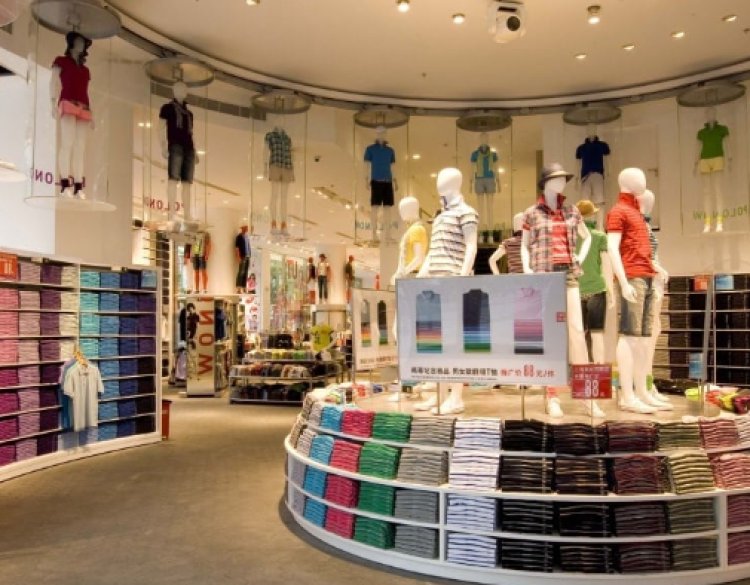
Japanese owner of Uniqlo, Fast Retailing, posted a sharp rise in quarterly profits and lifted its full-year operating profit forecast, citing strong sales across its global operations despite geopolitical uncertainties and a waning appetite for consumption in China.
For the three months ended May, the retailer reported an operating profit of 213.79 billion yen ($1.32 billion), up 45.7% from 146.74 billion a year ago.
That beat analysts’ average estimate of 177.73 billion yen, LSEG data showed.
Also Read: Netflix Signs Media Deals to Expand Short-Form Video Push
Annual Outlook Raised:
Fast Retailing lifted its full-year operating profit forecast to 730 billion yen ($6.72 billion) from an earlier guidance of 700 billion yen after a better-than-expected quarter.
Should it materialise, the revised forecast would mark the fifth consecutive year of record earnings for the company.
Fast Retailing, which has more than 2,500 Uniqlo stores around the world, has continued to expand in Europe and North America as part of a strategy to reduce its dependence on China, its biggest overseas market with nearly 900 stores.
The company said its Japanese domestic business continued to benefit from strong tourist spending, helped by a weak yen which has drawn more international visitors to its shores.
Still, Chinese consumer demand remained weak and the retailer continued to restructure its operations, including closing some stores.
Also Read: Coca-Cola Celebrates Indian Football Fans with ‘The Lost Voices’ Campaign
The apparel retailer has also been managing supply chain and logistics disruptions linked to the conflict in the Middle East.
Fast Retailing had previously warned that the Iran conflict complicated air freight operations from manufacturing hubs in Southeast Asia, while rising oil prices could increase the cost of producing synthetic fibres.
Despite these challenges, the company delivered better-than-expected financial results, highlighting resilient demand across key international markets.