Quick Delivery Is Changing Fashion Shopping in India
Fashion brands like Myntra and AJIO are making fast delivery the new norm, transforming how Indians shop for style.
 Anureet Kaur
Quick Delivery Is Rewriting the Rules of Fashion Shopping in India
Imagine ordering a party dress or a new pair of sneakers and having them delivered to your door in under an hour. What was once a dream is now a reality, thanks to the rapid rise of quick delivery in India’s fashion retail world. From e-commerce giants like Myntra and AJIO to new-age brands and startups, everyone is racing to bring the latest styles to customers faster than ever before.
The Rise of Quick Commerce in Fashion
It wasn’t long ago that online shopping meant waiting a day or two for your order to arrive. The quick commerce revolution—first seen in grocery delivery—has now swept into fashion, beauty and lifestyle products. Today, shoppers expect everything from T-shirts to handbags to reach them in minutes, not days.
Myntra’s M-Now: 30-Minute Fashion at Your Door
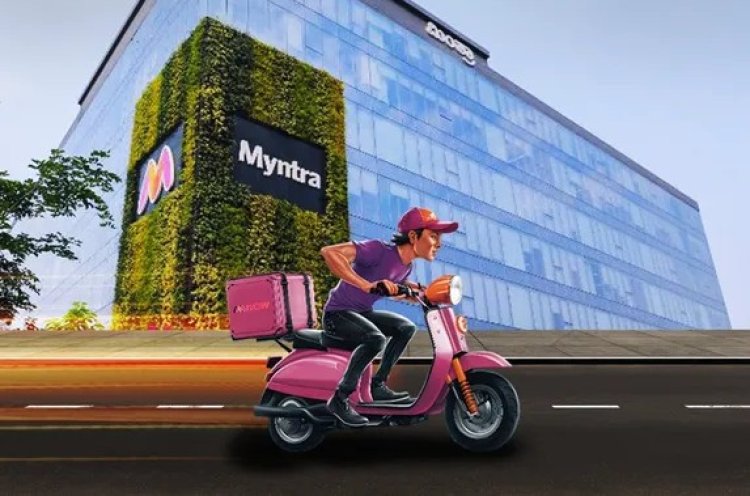
Myntra, a leader in online fashion, has launched M-Now, a service that promises to deliver fashion, beauty, and home products within 30 minutes. After a successful pilot in Bengaluru, M-Now is now available in Delhi NCR offering over 10,000 styles for instant delivery. Whether it’s a last-minute party invite, a forgotten office shirt or a cricket jersey for match day, M-Now is designed for those urgent, spontaneous moments.
Ankit Dua, Myntra’s senior director of category managemen says, “The response to M-Now has been extremely encouraging, with strong traction across apparel, beauty, watches, footwear, and home products.” The service is especially popular for utility items and event-driven purchases.
AJIO, Nykaa, Amazon, and Flipkart Join the Fast Lane
Not to be left behind, AJIO now offers ‘Priority Delivery’ in major cities like Bengaluru, Mumbai, Delhi, Hyderabad, and Chennai, promising same-day or next-day delivery on a wide range of brands, from Diesel and Emporio Armani to Nike and Puma. Nykaa Fashion, Amazon, and Flipkart have also jumped in, with Amazon’s ‘Same-Day Delivery’ available in over 50 cities and Flipkart rolling out the service in 20 major metros.
Vigyan Verma, a brand consultant, notes, “Fashion is impulse-driven. Sometimes it’s a real need, sometimes it’s an impulsive ‘I want it now’ feeling.” For today’s shoppers, urgency and lifestyle are key factors driving the demand for quick delivery.

NEWME and Slikk: Pushing the Limits
Fashion-tech startups like NEWME and Slikk are taking things even further. NEWME’s Zip service promises delivery in under 60 minutes in Bengaluru, targeting Gen Z shoppers who want the latest trends instantly. Slikk operates dark stores in Delhi-NCR and Bengaluru, delivering fashion and personal care items within an hour.
Sumit Jasoria, NEWME’s co-founder, explains, “Gen Z shoppers don’t just want trendy styles—they want them instantly. Over 50% of instant orders are for partywear and occasion-specific outfits.” Quick delivery is also driving up demand for travel accessories, with trolley bags and backpacks seeing a huge surge in sales.
Benefits and Challenges
One big advantage of quick delivery is a lower return rate. Customers who order for immediate needs are more likely to be available to receive their packages, reducing failed deliveries and returns. Nykaa reports that 70% of orders in its top 110 cities are now eligible for same-day or next-day delivery, reflecting a major shift in expectations.
However, experts warn that quick delivery in fashion comes with challenges. Fashion is an experiential category—customers often want to try before they buy, and returns are a big part of the business. The supply chain for fashion is more complex than groceries, and not all purchases are impulse-driven. As Akshay Gulati of Slikk points out, scaling this model for fashion will require new solutions and careful planning.
The Road Ahead
Quick delivery is here to stay, and it’s changing how Indians shop for fashion. While tech-first companies may adapt more easily, grocery-focused quick commerce platforms face bigger hurdles in meeting the unique needs of fashion shoppers. As the market evolves, success will depend on understanding what customers want, when they want it, and how to deliver it seamlessly.









.png?w=1200&ar=40%3A21&auto=format%2Ccompress&ogImage=true&mode=crop&enlarge=true&overlay=false&overlay_position=bottom&overlay_width=100)