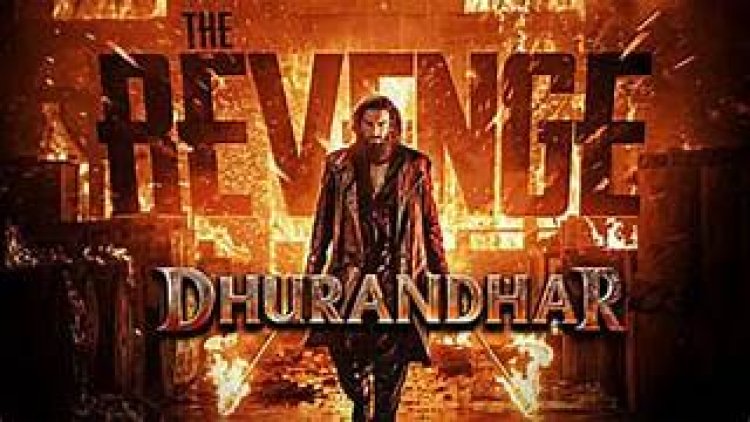
When a film starts making money even before its release, it is no longer just a movie—it becomes a full-fledged media event. Dhurandhar 2 is doing exactly that, turning into a magnet not only for audiences but also for advertisers eager to secure a piece of the spotlight.
The excitement around the film has been building steadily, but what truly stands out is how early brands began lining up. Cinema advertising slots, which are often booked closer to release, were snapped up well in advance this time. For marketers, the decision was simple—when attention is guaranteed, hesitation is expensive.
The film’s strong advance bookings have played a key role in this rush. With ticket sales crossing impressive milestones even before release, theatres are witnessing a surge in demand. Additional shows, extended timings, and packed schedules indicate that the film is set to draw significant footfall across markets.
For brands, this translates into one thing—visibility at scale.
Cinema remains one of the few mediums where audiences are fully engaged. Unlike digital platforms, where distractions are just a swipe away, the theatre experience commands undivided attention. In that environment, every advertisement gets its moment on the big screen, uninterrupted and immersive.
Dhurandhar 2 amplifies this advantage. Positioned as a large-scale, pan-India release, the film is expected to attract diverse audiences across regions and languages. This wide reach makes it an ideal platform for brands looking to connect with mass audiences in a single, impactful setting.
The scale of advertiser interest reflects this potential. A wide range of brands—from consumer goods and automobiles to fintech and lifestyle—have already secured slots around the film’s screenings. For them, it is not just about showcasing products, but about being present during a high-energy cultural moment.
There is also a strategic element at play. By booking early, brands ensure premium placement and better visibility, avoiding the last-minute scramble that often accompanies big releases. This shift towards early planning indicates a more proactive approach to cinema advertising.
Another factor driving this trend is timing. The film’s release aligns with a period of heightened consumer activity, when audiences are more inclined to step out, spend, and engage with entertainment. For advertisers, this creates a perfect intersection of attention and intent.
Interestingly, the buzz around Dhurandhar 2 also signals a broader resurgence of cinema as an advertising medium. While digital continues to dominate everyday campaigns, theatrical releases still hold unmatched value when it comes to creating impact at scale. A packed theatre offers something no algorithm can replicate—a shared, collective experience.
This is particularly important for brands aiming to build recall. A well-placed ad on the big screen, viewed by an engaged audience, often leaves a stronger impression than multiple fragmented digital exposures.
At the same time, the phenomenon highlights the importance of scale in entertainment marketing. Not every film can command this level of advertiser interest. It takes a combination of strong pre-release buzz, wide distribution, and audience anticipation to create such opportunities.
Dhurandhar 2 fits that bill perfectly.
For exhibitors, the surge in advertising demand adds another revenue stream, strengthening the overall business of theatrical releases. For brands, it offers a chance to align with a moment that audiences are already excited about.
And for the industry as a whole, it serves as a reminder that cinema still has the power to bring people—and brands—together.
Because when a film promises attention, advertisers do not just watch from the sidelines.
They show up early, and they show up big.

 Sandhya