When Celebrities Become the Product: The Rise of Personal Merch
Celebrities are selling everything from bathwater soap to blood-infused shoes, blurring lines between fandom and marketing.
 Anureet Kaur
The Era of Celebrity Personal Merch: From Bathwater to Blood
In today’s world, celebrities aren’t just selling products—they’re selling themselves. From soaps made with their own bathwater to shoes containing real blood, the boundaries between fandom, marketing and personal branding are blurrier than ever. This trend is taking the internet by storm, sparking conversations about what fans will buy, why celebrities do it, and how brands are cashing in on this unique form of intimacy.
Sydney Sweeney’s Bathwater Soap: Viral Sensation
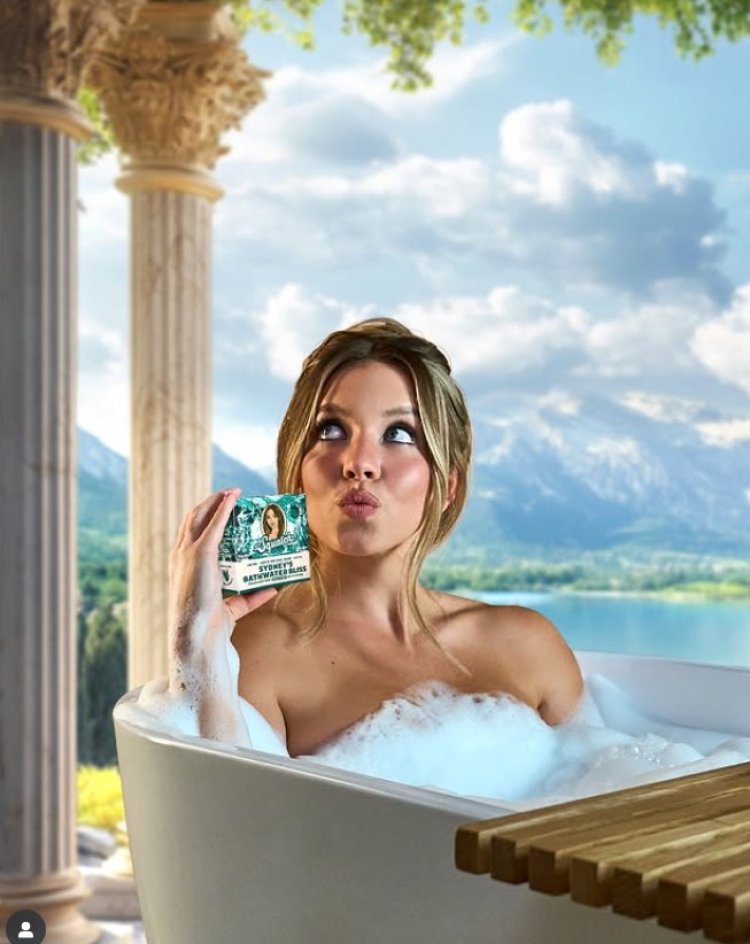
It all started (again) when Sydney Sweeney, known for her roles in Euphoria and The White Lotus, announced a new soap in collaboration with Dr. Squatch. The catch? The soap, called “Sydney’s Bathwater Bliss,” is infused with her actual bathwater. Priced at $8 a bar and limited to just 5,000 pieces, the product instantly went viral. Social media exploded with reactions ranging from shock to amusement, with one user joking, “So now my morning routine includes Sydney’s DNA?”
While the idea might seem outlandish, it’s not entirely new. In 2019, internet personality Belle Delphine famously sold jars of her “Gamer Girl Bath Water” for $30 each—and they sold out almost immediately. These stunts, while bizarre, tap into the desire for a closer, more personal connection with celebrities, even if it’s just a tongue-in-cheek marketing ploy.
When Celebrities Get Personal—And Weird
Sydney Sweeney isn’t alone. Over the past few years, celebrities have launched products that are as much about their persona as the product itself:
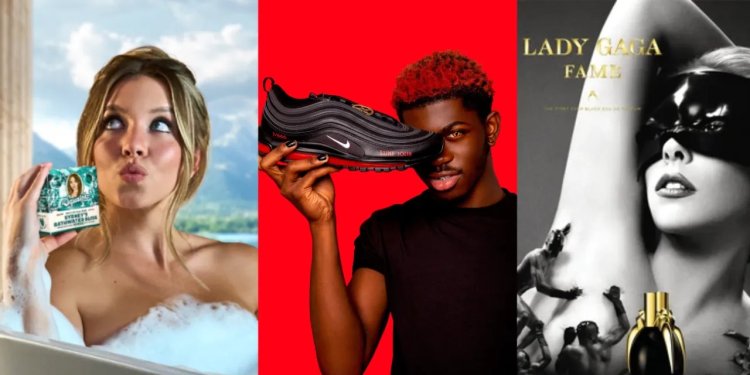
- Gwyneth Paltrow’s Goop Candle: Named “This Smells Like My Vagina,” the candle became a talking point for wellness branding and the commodification of celebrity essence.
- Lady Gaga’s Fame Perfume: Inspired by the molecular structure of blood and semen, it added an edgy twist to traditional fragrance marketing.
- Lil Nas X’s “Satan Shoes”: In collaboration with MSCHF, these sneakers reportedly contained a drop of human blood, leading to controversy and a lawsuit from Nike—but also massive publicity for the artist1.
Even legendary skateboarder Tony Hawk got in on the act, releasing skateboards infused with his own blood. While Hawk’s stunt didn’t spark as much outrage as Lil Nas X’s, it highlighted the growing trend of celebrities putting a literal piece of themselves into their merch1.
Why Are Celebrities Doing This?
The answer is simple: connection and attention. In an age where social media dominates, celebrities are constantly seeking new ways to stand out and connect with fans. By offering products that are deeply personal—or just plain weird—they create buzz, drive sales, and deepen the parasocial relationships that fans have with them.
These stunts also serve as powerful marketing tools. Limited-edition, headline-grabbing products often sell out quickly, creating an aura of exclusivity and desirability. The resulting social media chatter only amplifies the effect, making the product—and the celebrity—even more famous.
The Power of Viral Celebrity Marketing
Social media has given celebrities direct access to millions of fans, turning every product launch into a potential viral event. When a celebrity endorses or creates a product, it’s not just about the item itself—it’s about the story, the personality, and the sense of being part of an exclusive club.
This strategy isn’t limited to bizarre products. Rihanna’s Fenty Beauty, for example, became a global success by offering inclusive products that reflect her personal brand and values, earning over $550 million in its first year. Beyoncé’s Ivy Park activewear line leveraged social media and surprise launch events to build community and hype.
India’s Turn: What’s Next?
While Indian celebrities have yet to dive into the extreme end of personal merch, the influencer economy is ripe for disruption. From astrology-themed products to personalized sprays, it’s only a matter of time before Bollywood or cricket stars launch their own version of “celebrity essence” products. Imagine a cricket bat with Virat Kohli’s “sweat-infused handle”—it might sound far-fetched, but in today’s marketing landscape, nothing is off the table1.
The Future of Celebrity Merch: Intimacy Sells
As marketing shifts from mass appeal to micro-fandom, the line between celebrity and product will only get blurrier. The more unconventional and personal the product, the more likely it is to grab attention—and sell out. If a product makes you say, “Wait, what?”, chances are it’s already a marketing success.