SKY Turns Kachra Seth for EM5
Suryakumar Yadav appears in a meme-led digital film for House of EM5, parodying a cult Bollywood character. The move reflects how brands are blending celebrity power with internet culture to drive recall
 Sandhya
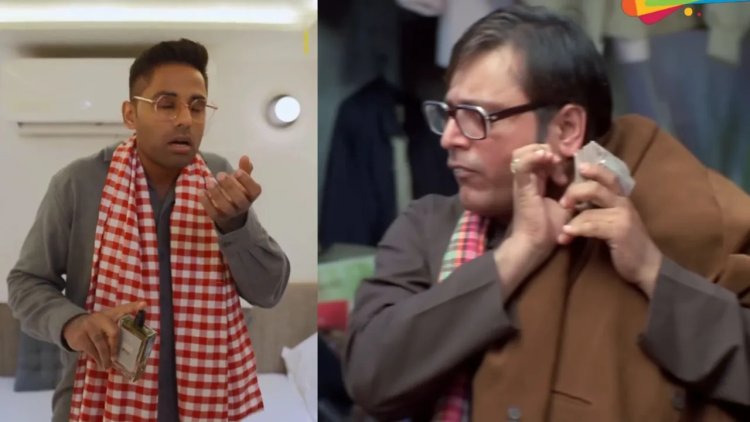
Suryakumar Yadav’s batting has long been associated with invention. The ramps, offering little respect to geometry, and the late improvisations that wrong-foot bowlers have built his reputation as a cricketer who reads moments differently. Now that instinct is extending beyond the boundary rope and into brand storytelling.
In a recent digital film for House of EM5, the India T20 captain steps into the exaggerated world of Bollywood parody, channeling Kachra Seth from Phir Hera Pheri. Instead of a straight endorsement, the execution leans on cultural recall. Yadav meets founder Shashank Chourey, cast as a street-side perfume seller, takes a spray and slips into instantly recognisable dialogue: “kadak maal hai”, “dedh sau rupiya dega”, and “mera Samsung ka number le”.
The product is present, but the entertainment engine is nostalgia. For marketers, that balance is significant. Celebrity advertising is increasingly competing with meme culture, where audiences reward references they already love. By borrowing from a cult comedy, the film lowers resistance and invites participation rather than passive viewing.
View this post on Instagram
The response online followed that script. Comment sections filled with reactions to Yadav’s comic ease, many focusing more on performance than fragrance notes. In attention economics, that is not a failure; it is distribution. If people repeat the lines, remix clips, or share them as inside jokes, recall for the sponsoring brand rides along.
For House of EM5, the move signals ambition. Founded in 2022, the Indore-based direct-to-consumer fragrance label has built its identity around affordable pricing, in-house manufacturing and names that trade on intrigue. A Shark Tank India appearance in 2025, where Aman Gupta backed the company with ₹1 crore for 10% equity, brought entrepreneurial visibility. But mainstream fame operates differently from startup credibility.
Until now, the company’s video footprint leaned heavily on founder-led Shorts rather than celebrity-driven narratives. Introducing one of Indian cricket’s most followed personalities, and placing him in a format engineered for virality, represents a pivot toward scale.
It also mirrors Yadav’s own commercial trajectory. Fresh off a year in which he was named IPL Most Valuable Player and elevated to national captaincy duties, his endorsement portfolio has widened rapidly. Industry estimates suggest his brand value has risen sharply, with both deal volumes and fees climbing in tandem. Advertisers are not just buying sporting excellence; they are investing in relatability, spontaneity and the promise that he can carry humour without losing credibility.
The EM5 collaboration lands neatly within that frame. Rather than portraying authority, Yadav becomes a participant in the joke. That shift matters in a digital environment where audiences are quick to punish anything that feels scripted or self-important.
For the wider market, the film underscores a growing formula: take a culturally sticky reference, add a personality comfortable enough to play along, and design for shareability first, persuasion second. The sale may come later, but memory is built immediately.
Whether this approach translates into sustained brand lift for EM5 will depend on how effectively it extends the conversation beyond a single viral moment. What is clear is that both brand and athlete are testing a future where advertising behaves less like interruption and more like entertainment native to the feed













/afaqs/media/media_files/S3jjxQl416gxxZpAU2DB.png)