Meta set to overtake Google in ad revenue as AI tools fuel rapid growth
Meta is set to overtake Google in global ad revenue by 2026, driven by AI tools, Reels growth, and expanding ad inventory across platforms.
 SociapaHQ
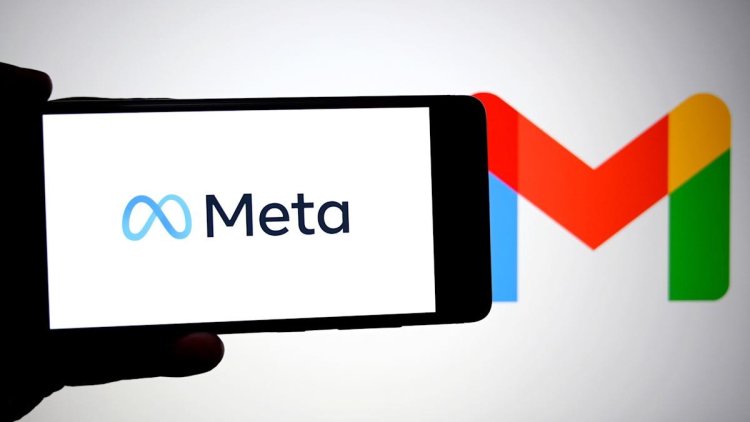
Meta Platforms is projected to surpass Alphabet in global advertising revenue by 2026, marking a significant shift in the digital advertising landscape. According to Emarketer, Meta’s net ad revenue is expected to reach $243.46 billion, slightly ahead of Google’s projected $239.54 billion.
The shift reflects diverging growth trajectories between the two tech giants. Meta is currently growing at a much faster pace, with a forecasted 24.1% increase this year, compared to Google’s relatively steady 11.9% growth. This acceleration is being driven largely by Meta’s focus on AI-led advertising solutions.
A key contributor is Advantage+, Meta’s suite of automated marketing tools. These tools simplify campaign execution while improving performance outcomes, making them increasingly attractive to advertisers looking for efficiency and measurable returns. As marketers continue to prioritise performance-driven spends, Meta’s AI-first approach is helping it capture a larger share of budgets.
Meta has also expanded its monetisation playbook beyond traditional social feeds. The company is gradually introducing advertising across newer platforms like Threads and WhatsApp, unlocking additional inventory within its ecosystem. At the same time, Instagram Reels continues to scale as a strong short-form video offering, competing directly with TikTok and YouTube Shorts and attracting sustained advertiser interest.
On the other hand, Google’s broader business diversification may be impacting its relative ad growth. Alphabet has been investing in non-ad revenue streams such as YouTube Premium and cloud services, which, while strengthening overall business resilience, dilute the pace of growth within its advertising segment. This creates a relative disadvantage when compared to Meta’s sharper focus on ad-led revenue.
Despite this shift in rankings, the digital advertising market is becoming increasingly consolidated. Meta, Google, and Amazon are expected to collectively account for 62.3% of global digital ad spend by 2026. This concentration highlights how a few dominant platforms continue to capture the majority of advertiser budgets.
For smaller players like Snap and Pinterest, this trend presents ongoing challenges. These platforms remain more vulnerable to budget fluctuations, especially during periods of economic or geopolitical uncertainty. In contrast, Meta and Google are increasingly seen as essential platforms in media plans, often prioritised by marketers even when budgets tighten.
From a broader industry perspective, the development signals a deeper shift towards automation, performance marketing, and platform ecosystems that can deliver scale with efficiency. Meta’s rise underscores the growing importance of AI in advertising, not just as a tool for optimisation but as a core driver of revenue growth.
While regulatory pressures and antitrust scrutiny continue to surround big tech, current forecasts suggest these factors are unlikely to significantly disrupt near-term revenue trajectories. Instead, the focus remains on how effectively platforms can innovate and deliver measurable value to advertisers in an increasingly competitive and consolidated market.