Meta Brings Ads to WhatsApp: A New Era Begins
Meta introduces ads on WhatsApp, changing how brands connect with consumers through the world’s most popular messaging app.
 Anureet Kaur
Meta Brings Ads to WhatsApp: How Will It Change Brand Engagement?
Meta, the parent company of Facebook, Instagram, and WhatsApp, has taken a bold step by introducing advertisements on WhatsApp, the world’s most popular messaging app. This move is set to transform how brands engage with consumers, opening up new marketing possibilities while also raising questions about user experience and privacy.
Why Ads on WhatsApp Matter
WhatsApp has over 2.5 billion users globally, with India being its largest market. Until now, WhatsApp has been a mostly ad-free zone, known for its private, clutter-free messaging experience. With Meta’s decision to introduce ads, the platform is entering a new phase—one that could reshape digital marketing and brand-consumer relationships.
Where Will the Ads Appear?
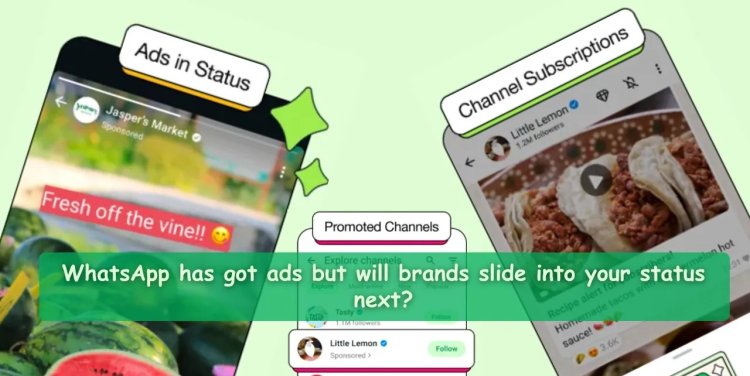
According to Meta’s announcement, ads will not appear inside personal chats. Instead, they will be shown in the app’s Status section (similar to Instagram Stories) and possibly on the main chat list in the future. This ensures that users’ private conversations remain untouched, but it does introduce a new layer of commercial content to the WhatsApp experience.
What Does This Mean for Brands?
For brands, this is a game-changer. WhatsApp has always been a direct line to consumers, but until now, marketing was limited to business accounts, broadcast lists, and customer service bots. With ads, brands can now reach users in a more visual and engaging way, similar to how they do on Instagram and Facebook.
- Targeted Reach: Brands can target specific audiences based on Meta’s powerful ad algorithms.
- Rich Media: Ads can include images, videos, and even interactive elements, making them more engaging than simple text messages.
- Seamless Integration: Brands can drive users from an ad directly to a WhatsApp chat, enabling instant customer interaction and support.
What About User Experience and Privacy?
One of the biggest concerns is whether ads will disrupt the user experience that has made WhatsApp so popular. Meta has promised that ads will not invade personal chats or group conversations. However, some users may still feel that the Status section is a personal space, and the introduction of ads could be seen as intrusive.
Privacy advocates are also watching closely. Meta has assured users that end-to-end encryption and privacy protections will remain intact, and that ad targeting will be based on limited, non-intrusive data. Still, the move is likely to spark debate about data usage and the commercialization of private platforms.
Industry Reactions: Opportunity or Overreach?
The advertising and marketing industry is buzzing with anticipation. Many experts see this as a huge opportunity for brands, especially in markets like India where WhatsApp is deeply embedded in daily life. Brands can now create more personalized, timely campaigns and build closer relationships with consumers.
However, some warn that overloading users with ads could backfire, leading to frustration or even a decline in app usage. The key will be finding the right balance between monetization and user satisfaction.
What’s Next for WhatsApp and Meta?
Meta’s move is part of a broader strategy to monetize its messaging platforms. With slowing growth on Facebook and Instagram, WhatsApp’s massive user base represents untapped potential. By introducing ads, Meta hopes to create new revenue streams while also offering brands innovative ways to connect with customers.
In the coming months, users and brands alike will be watching closely to see how ads are received and whether they truly enhance—or disrupt—the WhatsApp experience.
Meta’s decision to bring ads to WhatsApp marks a turning point for the platform and for digital marketing as a whole. If executed thoughtfully, it could open up exciting new ways for brands to engage with consumers. But the real test will be maintaining the trust and loyalty of WhatsApp’s vast user base. As this new era begins, only time will tell if ads on WhatsApp become a welcome feature or an unwelcome distraction.