Ghadi Turns Everyday Indian Stains Into Stories Worth Telling
Ghadi’s latest campaign film turns everyday Indian moments into laundry stories, using real life stains to reflect daily routines, diversity and shared domestic experiences nationwide.
 Sandhya
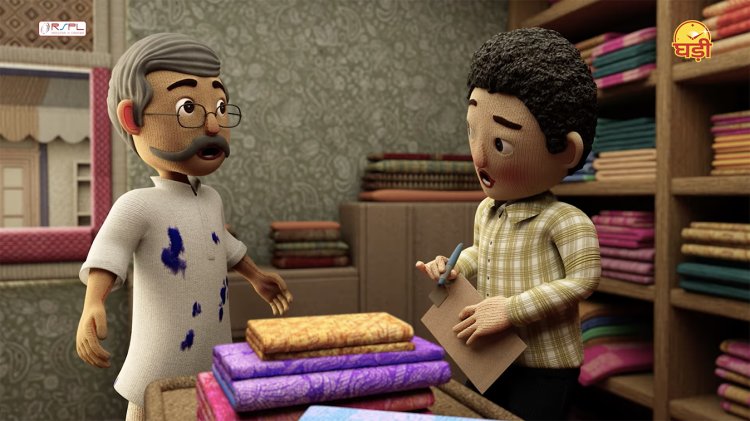
Ghadi has returned with a campaign that proves not all stories begin on a grand stage. Sometimes, they start with a stain. In its latest advertising film, the detergent brand shifts focus from spotless results to the lives that create the mess, turning everyday Indian moments into laundry stories that feel instantly familiar.
Titled Anokhe Desh ke Anokhe Mael, the campaign draws from daily routines across the country, using clothing and the marks left on them as a quiet but powerful storytelling device. Instead of treating stains as problems to be erased, the film positions them as evidence of lived experiences shaped by work, play, travel and celebration.
The narrative moves through recognisable Indian settings. Children return home after outdoor games, commuters navigate crowded local trains, workers move through factory floors, and families gather during festive moments. Each scene is framed through garments that carry signs of use, wear and spills. The stains become markers of movement and participation, not accidents.
By choosing these moments, the campaign reflects the diversity of Indian life without spelling it out. Different regions, professions and lifestyles appear organically, stitched together through the universal act of washing clothes. Laundry, often considered a mundane chore, becomes the common thread connecting these varied lives.
The film’s strength lies in its restraint. There are no exaggerated dramatisations or stylised visuals. Instead, the storytelling mirrors real life, allowing viewers to recognise themselves in the situations shown. The focus stays on authenticity, making the message feel grounded rather than manufactured.
As the film progresses, it subtly reinforces the idea that stains are not isolated incidents. They are shaped by habits, routines and environments. What spills on a shirt or clings to a trouser leg says something about how people live their day to day lives. In this context, laundry becomes less about perfection and more about continuity.
The closing visual brings the idea together with a simple yet effective metaphor. Multiple garments, each carrying its own story, come together in a single bucket. The moment suggests that despite differences in lifestyle and circumstance, Indian households share the same domestic rituals. Washing clothes becomes a unifying experience that cuts across regions and routines.
This approach continues Ghadi’s long standing communication style, which has consistently placed everyday Indian life at the centre of its storytelling. Rather than aspirational settings or polished portrayals, the brand has focused on relatability, positioning itself as a part of daily household rhythms.
What sets this campaign apart is its ability to find meaning in the ordinary. By elevating everyday stains into narrative elements, Ghadi reframes laundry as a reflection of real life rather than a battle against dirt. The film acknowledges that life is messy, active and layered, and that laundry exists because of it.
In a category often dominated by claims of superior whiteness or stain removal, Anokhe Desh ke Anokhe Mael takes a softer, more human route. It reminds viewers that before clothes reach the wash bucket, they have already lived a story.
With this campaign, Ghadi reinforces its connection to Indian households by celebrating the moments that make clothes dirty in the first place. The result is a film that feels less like an advertisement and more like a mirror, reflecting the everyday lives of the people it speaks to.