Geki Heats Up India’s Ramen Craze with Its “K for Krazy. K for Korean.” Campaign
Geki’s new “K for Krazy. K for Korean.” campaign celebrates bold flavours, the love for spice, and India’s growing obsession with Korean culture. With quirky films and a fun personality, Geki brings a fiery twist to instant ramen.
 Sandhya
The Rise of Geki in India
Since entering the Indian market in 2021, Korean dry-ramen brand Geki has become a name synonymous with spice, excitement, and flavour. With the growing popularity of Korean culture from K-pop to K-dramas, Geki saw an opportunity to blend food with fandom. The brand’s new campaign, “K for Krazy. K for Korean.”, conceptualised by FCB Ulka, Bangalore, builds on this insight. It aims to celebrate the brand’s playful personality while deepening its connection with Indian youth who crave intensity in both taste and experience.
Celebrating the Krazy in Every Bite
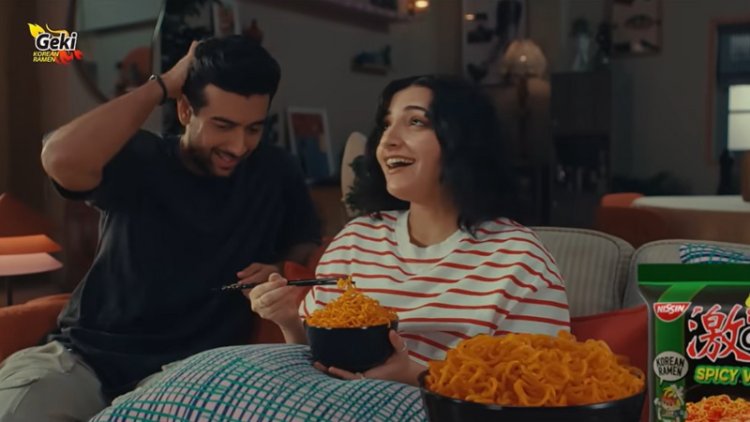
The campaign is not just about noodles; it’s about embracing a bold lifestyle. The idea of being “Krazy” mirrors Geki’s spirit fearless, flavourful, and unapologetically spicy. The films at the heart of the campaign show how one bite of Geki ramen can unlock a whirlwind of reactions, energy, and fun. Whether it’s hair dancing on its own, ghostly twists, or scenes straight out of a dramatic K-show, each ad is designed to be wild, humorous, and full of personality.
Through this exaggerated creativity, Geki stands apart from conventional food advertising and positions itself as a brand that thrives on chaos—in the most delicious way.
Three Films, Three Mindsets
To reach diverse audiences, the campaign rolls out three films, each designed for a specific consumer segment.
-
The K-Noobs: These are the ones exploring Korean flavours for the first time. For them, Geki is a fun and accessible introduction to a new taste world.
-
The Taste Seekers: Always on the lookout for bold and unique food experiences, they find Geki to be their perfect adventure in spice.
-
The Spicy Lovers: For those who live for the thrill of heat, Geki is not just food—it’s an addiction.
Each story reflects how Geki’s fiery noodles can bring out the “krazy” side in everyone. It’s a celebration of how a simple meal can create moments of pure joy and chaos.
Merging Culture, Creativity, and Spice
What makes this campaign powerful is how it ties together K-culture, youth energy, and bold taste. Geki doesn’t just sell ramen; it sells an experience. From its packaging design to its storytelling, every element screams vibrance and excitement. The brand taps into India’s cultural fascination with Korea, creating a bridge between local audiences and global trends.
The team at Geki and FCB Ulka focused on creating content that not only highlights the product’s spiciness but also immerses viewers in a visually exciting, culturally charged experience. The storytelling reflects spontaneity, confidence, and a modern lifestyle that aligns with the personality of its young audience.
Redefining the Ramen Experience
Geki’s success lies in its ability to redefine instant ramen as more than just a quick meal. It is an emotional experience—a burst of flavour that energizes, entertains, and even surprises. By embracing the eccentric, the brand builds a strong identity in a market filled with generic food brands.
In a competitive category, Geki’s approach stands out for its authenticity and sense of humour. The brand understands that today’s consumers want more than good taste, they want a story, a vibe, and a connection. “K for Krazy. K for Korean.” delivers exactly that.
A Fiery Future Ahead
Through this campaign, Geki reinforces its position as the bold new face of India’s ramen revolution. It speaks directly to the adventurous youth who crave spice, culture, and individuality. Every bowl becomes a statement of taste, of confidence, and of joy.
As Geki continues to grow its footprint in India, this campaign sets the stage for even more creative experiments that merge food with fun, culture with craze, and spice with self-expression.