Dentsu Says Brands Are Missing Video’s Long Game Advantage
Dentsu’s latest study reveals brands may be underinvesting in video advertising for long-term brand growth, urging marketers to rethink performance-first spending strategies.
 Anupriya
In a world where marketers obsess over clicks, conversions, and instant gratification like it is a Black Friday sale every day, Dentsu has arrived with a reality check. According to its latest study, brands may be underestimating the long-term power of video advertising and, in the process, leaving serious brand-building opportunities on the table.
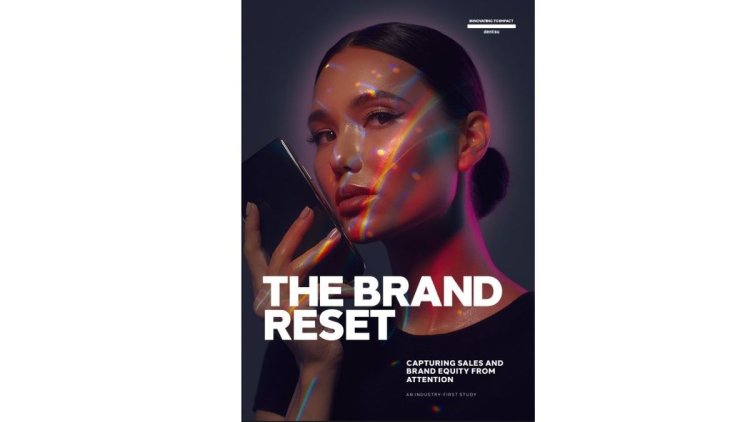
The global advertising giant recently unveiled a report titled The Brand Reset, a research-backed deep dive into how video advertising impacts brand equity and long-term sales performance. Conducted in partnership with Kantar and Lumen Research, the study examines video performance across ten digital platforms and linear television in both the US and UK, attempting to measure how attention translates into real business growth.
And the takeaway is clear: brands may be spending too much time chasing short-term wins and not enough building lasting brand value.
The report comes at a time when the advertising world has become increasingly performance-obsessed. Marketing budgets today are often judged by how many clicks an ad gets, how many users convert, or how quickly campaigns generate measurable returns. While that may satisfy spreadsheets and boardrooms, Dentsu argues that this mindset may be hurting brands in the long run.
According to the study, video advertising remains one of the strongest tools for building long-term consumer connection, brand recognition, and sustained sales uplift. More importantly, the report challenges the old-school assumption that only television can drive brand-building results. It suggests that digital video, including short-form content, is just as capable of delivering meaningful long-term impact.
Yes, your fifteen-second digital ad may be doing more heavy lifting than previously believed.
One of the study’s standout findings is that even a single exposure to video advertising can generate a measurable long-term sales effect. Dentsu estimates that exposure to video campaigns can lead to a one to five percent uplift in brand spend over three years compared to no exposure at all. For marketers, that is essentially proof that one smart ad today can keep paying rent for years.
The report also explores how attention plays a major role in ad effectiveness. According to the findings, the stronger the viewer’s attention, the better the brand outcome. However, there is a catch. Attention benefits tend to plateau after around twenty seconds, suggesting that after a certain point, longer does not always mean better. In other words, marketers may not need a cinematic masterpiece every time, just content that earns attention fast and keeps it smartly.
Perhaps one of the more surprising revelations is Dentsu’s take on skippable ads. Traditionally seen as the awkward cousin of non-skippable formats, skippable ads may actually outperform forced-viewing ads when audiences voluntarily choose to keep watching. The logic is simple: if viewers choose to stay, they are more engaged, and that voluntary attention often translates into stronger brand connection.
Connected TV also gets a major nod in the report, with findings suggesting that it delivers brand-building impact comparable to traditional linear television. As audience habits continue shifting toward streaming and on-demand viewing, the study reinforces that modern viewing platforms deserve just as much respect as conventional broadcast channels.
Will Swayne, Global President of Media at Dentsu, stated that while marketers have long understood the importance of brand building, performance-led strategies have often felt like the safer bet, leading many businesses to prioritise immediate returns over sustained brand investment. The study, he says, offers marketers a more quantifiable framework to justify video-led brand investment.
The research has now been integrated into Dentsu’s internal planning tools, enabling teams to use attention-based metrics while planning campaigns across formats and channels. Essentially, the agency wants brands to start planning media not just based on where impressions happen, but on where meaningful attention happens.
At its core, Dentsu’s study is a reminder that marketing is not only about instant wins. Sometimes, the smartest campaigns are the ones quietly shaping perception, building trust, and staying memorable long after the click-through report is forgotten.
Because while performance marketing may win the sprint, brand building still wins the marathon.