Asha Sharma Named CEO of Microsoft Gaming as Phil Spencer Retires
Asha Sharma has been appointed CEO of Microsoft Gaming as Phil Spencer retires. The leadership shift marks a new phase for Xbox as Microsoft expands its gaming ecosystem across console, cloud and mobile.
 SociapaHQ
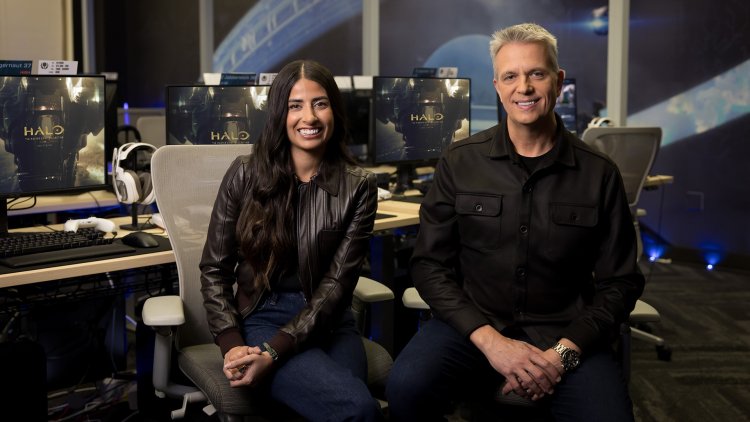
Microsoft has announced a significant leadership change in its gaming division, with Chairman and CEO Satya Nadella naming Asha Sharma as Executive Vice President and CEO of Microsoft Gaming. Sharma will report directly to Nadella, taking charge as Xbox marks its 25th year. The transition also includes the retirement of long-time Xbox leader Phil Spencer.
Microsoft’s gaming business today reaches more than 500 million monthly active users and operates across console, PC, mobile and cloud. Over the past decade, it has expanded through organic growth and major acquisitions, positioning itself as one of the largest gaming publishers globally.
Announcing the move, Nadella signalled gaming’s continued importance within Microsoft’s broader consumer strategy. “I am long on gaming and its role at the center of our consumer ambition,” he said, adding that Sharma’s experience in building and scaling global platforms will be key as the division enters its next growth phase.
Phil Spencer, who has led Xbox for over a decade and spent 38 years at Microsoft, will retire but remain in an advisory role through the summer. Under his leadership, Microsoft Gaming nearly tripled in size and completed major acquisitions including Activision Blizzard, ZeniMax and Mojang, the studio behind Minecraft. Reflecting on his tenure, Spencer described it as “an epic ride and truly the privilege of a lifetime.”
The leadership reshuffle also includes the departure of Sarah Bond, who played a role in shaping platform strategy, expanding Game Pass and advancing cloud gaming initiatives.
In her first communication as CEO, Sharma outlined three priorities: delivering strong game content, reinforcing commitment to Xbox’s core console audience and shaping the future of play across devices. “My first job is simple: understand what makes this work and protect it,” she wrote.
Microsoft Gaming’s portfolio spans nearly 40 studios across Xbox Game Studios, Bethesda, Activision Blizzard and King. It includes franchises such as Halo, Call of Duty, The Elder Scrolls, Diablo, World of Warcraft, Candy Crush and Fallout. Sharma indicated that empowering studios and investing in both established franchises and new ideas will remain central.
While reaffirming support for console, she acknowledged the cross-platform reality of modern gaming. “We will celebrate our roots with a renewed commitment to Xbox starting with console,” Sharma said, while noting that gaming increasingly spans PC, mobile and cloud. On artificial intelligence, she drew a boundary between technology and creativity: “Games are and always will be art, crafted by humans, and created with the most innovative technology provided by us.”
Alongside her appointment, Matt Booty has been elevated to Executive Vice President and Chief Content Officer, reporting to Sharma. He will focus on strengthening Microsoft’s global content pipeline. Booty noted that their early discussions centered on “commitment to making great games” and clarified that no immediate organizational changes are planned within studios.
Before taking on the gaming role, Sharma led Microsoft’s CoreAI product portfolio, overseeing AI models, applications and responsible AI initiatives. She previously served as COO at Instacart and held senior roles at Meta. Her experience in scaling large consumer platforms now intersects with one of the world’s most expansive gaming ecosystems.
For the gaming industry and advertisers, the transition matters beyond corporate governance. Gaming increasingly sits at the crossroads of entertainment, community and digital commerce. Leadership direction at Microsoft influences content pipelines, platform strategy, subscription models and cross-media partnerships. As gaming expands across devices and integrates deeper into cloud and AI infrastructure, strategic clarity at the top becomes central to how the ecosystem evolves.
The move signals continuity in Microsoft’s long-term investment in gaming, alongside a recalibration toward platform innovation and sustainable growth in a competitive global market.