Apple Settles iPhone AI Lawsuit With $250 Million Consumer Payout
Apple agrees to a $250 million settlement over claims it misled iPhone buyers about AI features.
 SociapaHQ

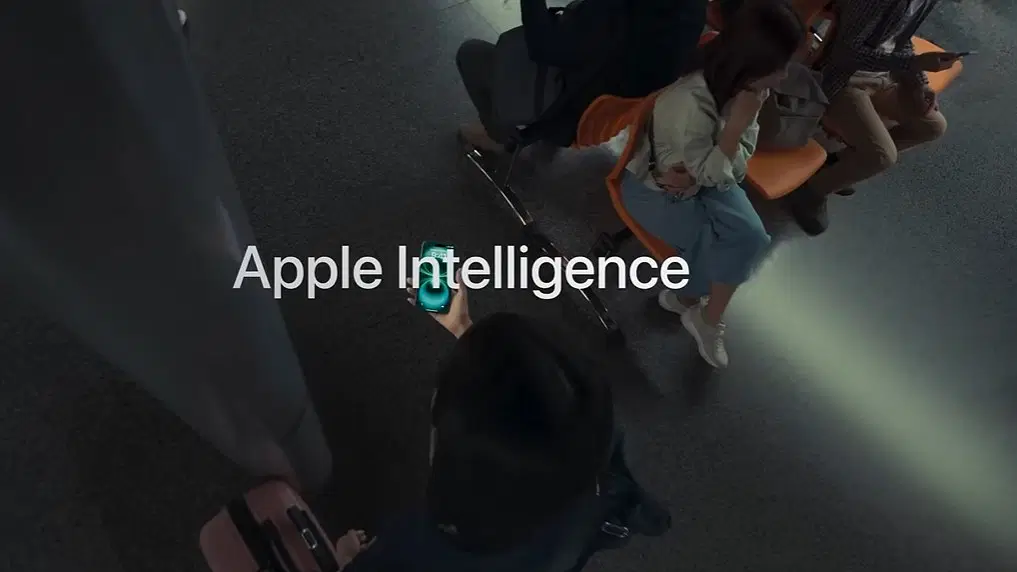
Apple has agreed to pay $250 million to settle a lawsuit accusing the company of misleading consumers about artificial intelligence features promoted as part of its “Apple Intelligence” rollout for iPhones.
According to a report by BBC, the proposed settlement, filed in a California federal court, resolves a consolidated class action lawsuit brought by iPhone buyers in the United States. While Apple has not admitted wrongdoing, the agreement marks one of the biggest consumer disputes tied to AI marketing claims in the smartphone industry so far.
Also Read: John Ternus vs Tim Cook Net Worth Explained as Apple Inc. Names New CEO
AI Promises Face Legal Scrutiny:
The lawsuit alleged that Apple promoted AI-powered capabilities, particularly an upgraded version of Siri, before those features were fully available to users. According to the complaint, consumers who purchased iPhone 15 and iPhone 16 devices between June 2024 and March 2025 were led to believe they would receive advanced AI functionality that either did not exist or was significantly delayed.
Under the settlement terms, eligible users in the U.S. may receive payments ranging from $25 to $95. The case specifically focused on Apple’s marketing of “Apple Intelligence,” including claims that Siri would evolve into a more capable and personalised AI assistant.
An Apple spokesperson said the complaint was centred on “the availability of two additional features” within the wider Apple Intelligence launch. “We resolved this matter to stay focused on doing what we do best, delivering the most innovative products and services to our users,” the spokesperson said.
Also Read: Apple targets India with witty royal-themed “Why Switch to iPhone” campaign for iPhone 17
AI Marketing Faces Pressure:
The revised complaint filed by lawyers last week argued that Apple’s AI messaging crossed into false advertising. According to the filing, the company promoted breakthrough AI capabilities “that did not exist at the time, do not exist now, and will not exist for two or more years, if ever.”
The lawsuit also pointed to increasing pressure within the tech industry’s AI race. Lawyers claimed Apple accelerated its AI messaging in response to growing competition from companies such as OpenAI and Anthropic, as major technology firms scrambled to position themselves at the centre of the generative AI boom.
For marketers and technology brands, the case highlights the growing risks tied to AI-focused advertising. As companies compete to showcase innovation, expectations around transparency and product readiness are becoming sharper. The dispute also reflects a wider industry challenge balancing future-facing product storytelling with features that consumers can immediately access and use.
From a consumer perspective, the controversy reinforces increasing scrutiny around AI promises attached to premium devices. With AI now becoming a key selling point across smartphones and software ecosystems, buyers are paying closer attention to whether advertised capabilities match the real user experience.
The settlement arrives at a time when AI branding is rapidly shaping tech marketing strategies. For Apple, the case underlines the pressure on legacy technology companies to prove credibility in an increasingly crowded AI landscape.