A R Rahman Brings Indian Sound to Royal Albert Hall Stage
A R Rahman performs a sold-out orchestral showcase at Royal Albert Hall, blending Indian and Western music while spotlighting emerging talent. The concert signals a shift in how Indian music is presented globally.
 SociapaHQ
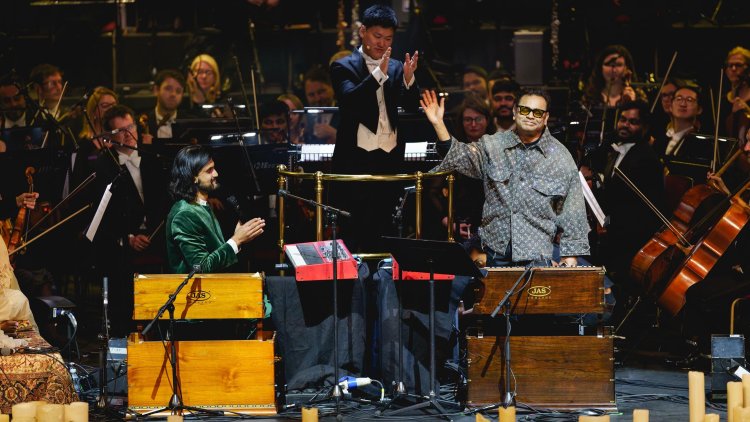
Award-winning composer A. R. Rahman reached a notable point in his global concert journey with a sold-out orchestral showcase at Royal Albert Hall. The three-night performance, created in collaboration with composer Rushil Ranjan, reflected an evolving format for Indian music on international stages—one that blends large-scale orchestration with cultural storytelling.
Titled A.R. Rahman x Rushil Ranjan, the showcase focused as much on emerging talent as it did on established artistry. At its core was Rangreza, a newly commissioned composition co-created by Rahman and Ranjan. Rooted in Sufi philosophy, the piece explored shared musical and spiritual themes across cultures. It was performed by the Royal Philharmonic Orchestra and London Voices, alongside Associate Artist Abi Sampa, under the direction of Melvin Tay.
A defining element of the evening was the inclusion of musicians from KM Music Conservatory and the Sunshine Orchestra. These young performers, many from underserved communities, shared the stage with an international orchestra—an uncommon moment that highlighted access, training, and representation in Western classical music.
Reflecting on the experience, Rahman said, “Seeing our Sunshine Orchestra share the stage with the Royal Philharmonic Orchestra feels deeply special. As an educator, moments like these remind me why we begin in the first place.” His comment underlined a longer-term effort to build pathways for Indian musicians beyond traditional industry routes.
The programme also featured vocalist Sarthak Kalyani and percussionist Janan Sathiendran, with choreography by Aakash Odedra, adding a visual layer to the orchestral format. Alongside new work, the setlist included orchestral reinterpretations of scores from films such as Jodhaa Akbar, Guru, 127 Hours, and Rockstar, expanding familiar compositions into a symphonic experience.
For the broader industry, the showcase reflects a shift in how Indian film music is being positioned globally. Moving from standalone concerts to structured orchestral productions allows for deeper engagement with international audiences, particularly those familiar with Western classical formats. It also opens new avenues for collaboration between Indian composers and global institutions.
For brands and media, such formats signal opportunities in cross-cultural storytelling, live event experiences, and global content distribution. For audiences, it redefines how Indian music can be experienced—less as a niche export and more as part of a shared global soundscape. And for emerging musicians, it demonstrates a pathway where training, exposure, and collaboration can intersect on some of the world’s most visible stages.
As orchestral showcases like this gain traction, they point toward a broader evolution: Indian music not just travelling globally, but adapting its format to meet new audiences without losing its core identity.