Srinivasan K Swamy Criticises CCI’s Oversimplification of India’s Advertising Landscape
Srinivasan K Swamy highlights the complexities of India’s advertising ecosystem, arguing that the CCI oversimplifies its role in mergers, competition, and digital dynamics.
 Sandhya
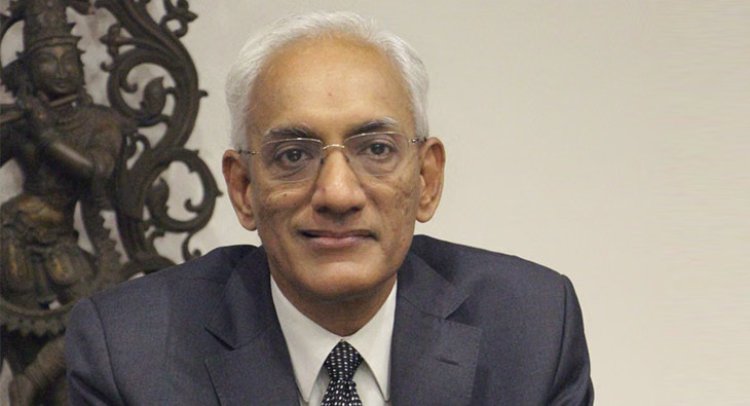
At the FICCI Frames 2025 event in Mumbai, Srinivasan K. Swamy, Chairman of R.K. Swamy Ltd. and former President of the International Advertising Association, voiced concerns regarding the Competition Commission of India’s (CCI) approach to the advertising ecosystem. He argued that the regulatory body lacks a full grasp of the sector’s intricacies, which could lead to ineffective or even counterproductive oversight.
The Context of the Discussion
The panel was convened at a time when India’s advertising industry is experiencing rapid transformation. With digital platforms, AI-driven targeting, programmatic buying, influencer marketing, and cross-media integration dominating the landscape, the sector has grown beyond traditional TV and print advertising. Swamy emphasized that this dynamism makes advertising far more than a simple buyer-seller exchange—it is a complex system that balances creativity, data, consumer psychology, and technology.
Swamy’s Key Observations
Swamy pointed out that the CCI tends to apply the same framework it uses for conventional markets—where the product, pricing, and supply chain can be quantified—to advertising, which doesn’t operate on such straightforward lines. For instance, when agencies compete, they don’t just compete on cost; they compete on creativity, innovation, client servicing, integrated media solutions, and proprietary tools.
“Advertising cannot be measured merely in rupees and impressions. The value lies in how campaigns shift consumer perception, how creativity impacts recall, and how brands sustain engagement in a crowded marketplace,” Swamy highlighted.
Complexity of the Advertising Ecosystem
Unlike industries with fixed deliverables, advertising thrives on intangibles. From ideation to execution, multiple stakeholders are involved: creative agencies, media buyers, data platforms, influencers, and brands themselves. Each layer adds depth to how campaigns are executed and measured.
Swamy noted that regulating such a multi-dimensional field requires specialized knowledge and nuanced frameworks—something the CCI currently lacks. For example, digital advertising alone involves algorithms, real-time bidding, data privacy concerns, and brand safety. These elements do not fit neatly into a standard regulatory model designed for traditional industries.
Concerns for the Industry
Swamy’s concern is that an oversimplified approach by the CCI could unintentionally stifle innovation and discourage competition. By not recognizing the layered nature of advertising, there is a risk of blanket rulings that may slow down growth or put creative players at a disadvantage compared to larger, tech-enabled corporations.
He urged for greater collaboration between regulators and industry stakeholders, suggesting that forums like FICCI Frames could serve as platforms where advertising experts help regulatory bodies understand the field’s complexity. “Without such dialogue, we risk creating policies that belong to another era, unfit for today’s digital-first, consumer-driven marketplace,” he warned.
The Way Forward
Industry leaders, including Swamy, propose that CCI invest in specialized advertising advisory units that can help bridge the knowledge gap. Such measures could ensure that oversight is balanced, progressive, and innovation-friendly, rather than restrictive.
Summary
Srinivasan K. Swamy’s remarks at FICCI Frames 2025 highlighted a pressing issue: the Competition Commission of India’s limited understanding of the advertising ecosystem. By applying conventional frameworks to a deeply creative and tech-driven field, the regulator risks creating ineffective policies. Swamy called for dialogue, education, and partnership between regulators and industry experts to ensure India’s advertising sector continues to innovate, compete fairly, and contribute to economic growth.